Please don't fall for any job/grants/SaaS/Software related scams. For any query or concerns please reach to us directly at +65 6834 3026 or WhatsApp at +65-8910 8216
Please don't fall for any job/grants/SaaS/Software related scams. For any query or concerns please reach to us directly at +65 6834 3026 or WhatsApp at +65-8910 8216
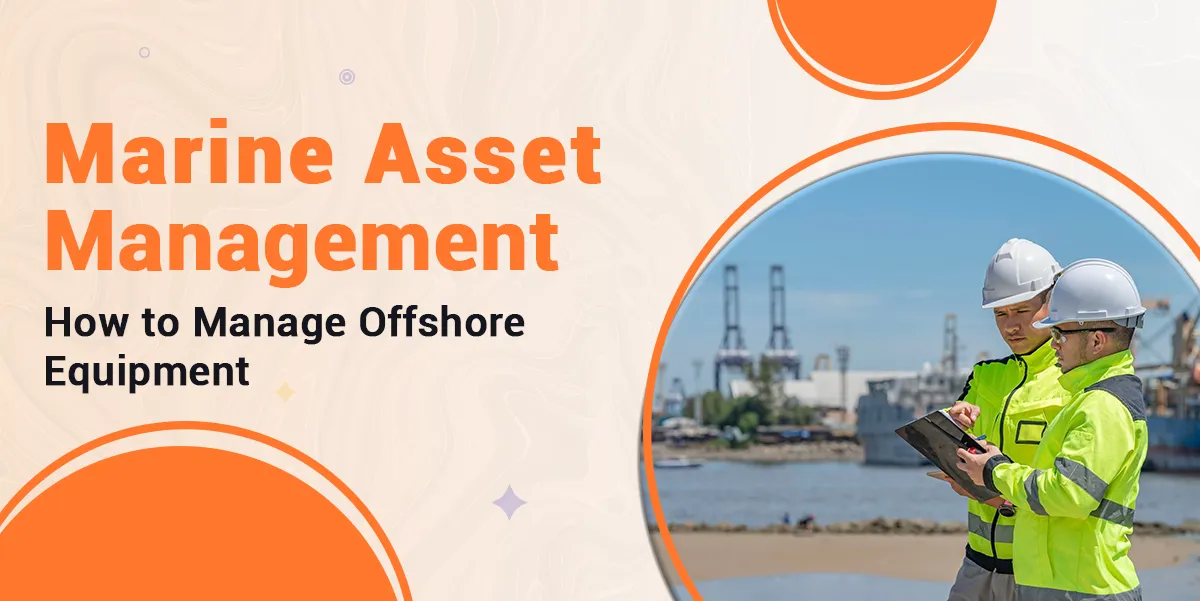
The traditional ways to manage offshore equipment aren’t always good at meeting the needs of today’s complicated maritime environment. Every asset, from oil rigs and subsea facilities to navigation systems and ships, is important to the success and safety of the operation.
As compliance needs grow and harsher offshore conditions become more challenging, the need for smarter, much more resilient solutions becomes obvious. That’s where a maritime asset management process will come in handy.
It allows companies to make data-driven choices, bring down operational risks, and optimise ROI by centralising asset tracking, maintenance as well as lifecycle management. Marine asset management allows complete control over offshore operations, whether it’s done by IoT-enabled quality monitoring or predictive analytics for maintenance.
In this guide, you will explore how to manage your important offshore equipment using the marine asset management system and more
See how Genic Assets locates equipment in seconds and keeps maintenance on schedule — book a free demo.
A marine asset management system is an electronic platform that allows maritime as well as offshore businesses to control, monitor, and keep their physical assets throughout their lifecycle.
This includes ships, subsea structures, drilling equipment, navigation equipment, and many other things. It brings together data from a variety of sources, like sensors, maintenance logs, and operating schedules, to make a centralised view of all the marine assets.
Speeding up offshore activities can help highlight the importance of knowing the key advantages of marine asset management. These benefits provide a solid basis for effective offshore equipment oversight, so let’s explore them below:
Solutions including GPS, IoT, and RFID sensors permit the exact monitoring of offshore assets in real time.
Even in remote locations, these tools offer immediate visibility into the asset position, movement as well as operational status.
The organisations can better allocate resources, stay away from duplication, and lessen misplacement or loss of critical equipment across several offshore platforms with enhanced transparency.
Maritime maintenance software is able to detect early indications of equipment breakdown, giving companies a chance to enhance fleet control.
This stops costly unplanned outages by creating proactive maintenance schedules.
Operators can considerably lengthen the asset life and maintain more operational readiness by getting automatic alerts for inspections, services, and calibration.
Marine asset management systems help make certain that all equipment fulfills the requirements of the marine asset management guidelines by digitally coordinating required inspections and certification documentation.
Central tracking makes it possible for far better audit readiness and minimises the possibility of regulatory fines. Using automated reminders as well as easy access to records, compliance will become a continuous instead of a reactive process.
Asset management systems allow businesses to maximise the usage of their assets by offering real-time visibility as well as powerful lifecycle monitoring.
Attempts to reduce loss are reduced by optimising asset use and minimising unnecessary capital expenditures.
Data-driven insights additionally support better procurement, better budgeting, and much more strategic operational planning, which specifically improves the return on investment.
Read Also: Features to Look for in the Best Asset Management Software
Companies should apply strategic as well as operational best practices to maximise the advantages of a maritime asset management process. These practices help make certain that systems are fully used and aligned with offshore operational requirements.
Choose a reliable offshore asset management software specifically built for the marine environment.
It should support integration with ERP systems, onboard data logs, and satellite communication.
Opt for a solution that allows offline data syncing, ensuring operational continuity even when internet access is limited, especially in remote offshore areas where consistent connectivity can be a major challenge.
Use intelligent tracking tags to identify offshore equipment and link it to a central marine asset management system.
Monitor asset status across several sites using real-time dashboards to view the location and status of all assets.
Create geofences and put in place alerts to alert authorities when assets enter or even exit a particular zone, enhancing both operational security and oversight for vessels and rigs.
Based on Regulatory requirements and guidelines, develop clear, repeatable maintenance schedules.
Automate inspection processes and ensure timely completion with maritime maintenance software.
Develop a digital audit trail of any action taken during servicing and inspections, which could be utilised to monitor performance past, identify recurring challenges as well as help compliance efforts.
Utilise data analysis to find patterns in asset performance, failures, and usage. Compare and contrast metrics across operational zones or fleets to determine underperforming equipment or best practices.
The insights from examining this data help improve asset strategies, boost allocation effectiveness, and guide decisions around procurement, upgrade, and lifecycle extension.
The equipment is subjected to excessive pressure and saltwater corrosion because of the harsh conditions offshore.
Utilise lifecycle management software to keep track of wear, rust, and fatigue, and figure out asset degradation.
Historical data can help to anticipate replacement times and improve maintenance methods, therefore ensuring safety as well as dependability in demanding environments.
Install IoT-enabled sensors throughout offshore equipment to record real-time performance as well as environmental information.
Condition-based monitoring is achievable with this technology, which minimises the need for manual inspections in dangerous places.
These systems transmit alerts to the system, which may enhance safety and reduce downtime when minor issues arise.
Coordinate maintenance activities with vessel operation schedules as well as port stops to minimise disruptions.
Lifecycle data could be utilised to anticipate optimum service windows and plan major overhauls during low-demand periods.
This makes certain that vessels stay compliant, functional as well as cost-effective, while maximising their time of service and also decreasing time spent at dock.
Also Read: How to Choose the Right Asset Management App for Your Business
Operating in offshore environments comes with unique challenges. This section outlines common obstacles and offers practical solutions that help organisations maintain asset integrity, efficiency, and compliance.
| Challenge | Solution |
|---|---|
| Harsh environment degrading equipment | Use corrosion-resistant materials and schedule frequent inspections. |
| Limited connectivity offshore | Choose offline-capable software with synchronisation features. |
| Manual processes are causing delays | Digitise workflows using asset tracking and maintenance tools. |
| Compliance complexity | Automate compliance tracking with document management modules. |
Emerging technologies are reshaping the way offshore assets are managed. Here, we explore innovative tools and trends that are poised to revolutionise marine asset management for years to come.
Artificial intelligence and machine learning are set to revolutionise marine asset management. These technologies provide predictive diagnostics, helping operators identify potential issues before they escalate.
By analysing patterns in historical data, AI enables smarter maintenance scheduling and better risk assessment.
Digital twins enable virtual replicas of actual physical assets, allowing the simulation of asset behavior in real time.
These models let engineers test performance scenarios, improve use and plan maintenance without interrupting operations. It is a proactive tool for long-range planning as well as lifecycle management.
The blockchain technology is going to bring a higher degree of truthfulness as well as protection to asset history monitoring.
It offers tamper-proof records of upkeep, inspections, and transfers, critical in regulatory and safety audits. This creates trust amongst stakeholders and also simplifies compliance procedures.
Autonomous bots are now being created to perform inspections as well as maintenance in dangerous offshore environments with advancements in robotics.
These bots reduce the need for human presence in dangerous areas, ensuring more secure operations and enabling constant asset health monitoring, even in extreme conditions.
Also Read: What Is an Asset Management System and How Does It Work?
If you are looking for an effective asset management solution for better management, try Genic Assets Management Software Solutions!
The traditional method of offshore asset management is built on information as well as development, from asset tracking to lifecycle monitoring to remote IoT monitoring and AI-driven diagnostics. Maritime businesses could substantially lengthen asset life as well as operational readiness by applying best practices and also taking advantage of emerging solutions such as electronic twins and autonomous maintenance bots.
Regardless of whether you may be operating one boat fleet or a fleet of offshore oil rigs, implementing a smart marine asset management system will make sure that each element of your operation is managed resiliently, accountably, and efficiently.
Articles you might like
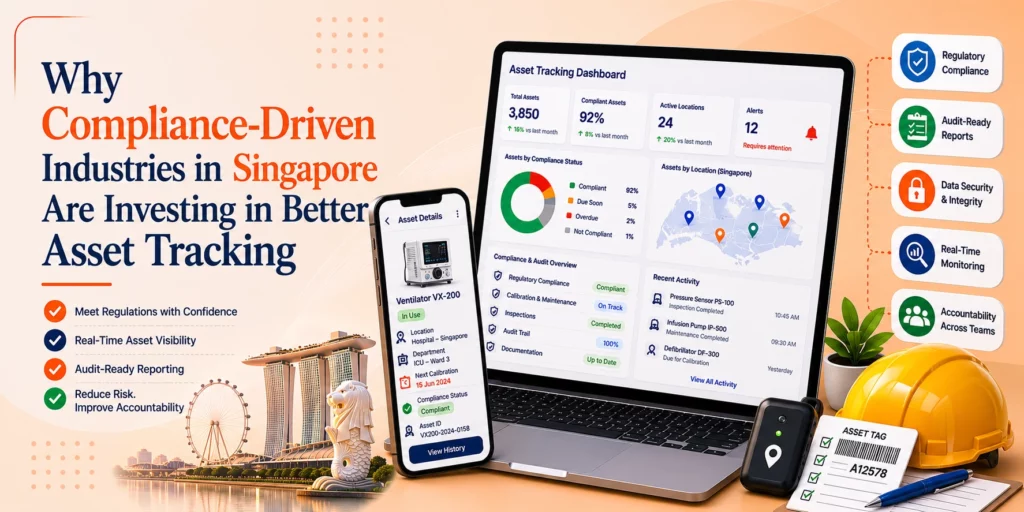
Genic Assets provide complete visibility, traceability, and accountability of your assets!
Get StartedAre you ready to switch from Excel and Spreadsheets to Cloud-based Asset Management Software? Get started with Genic Assets Management System!