Please don't fall for any job/grants/SaaS/Software related scams. For any query or concerns please reach to us directly at +65 6834 3026 or WhatsApp at +65-8910 8216
Please don't fall for any job/grants/SaaS/Software related scams. For any query or concerns please reach to us directly at +65 6834 3026 or WhatsApp at +65-8910 8216
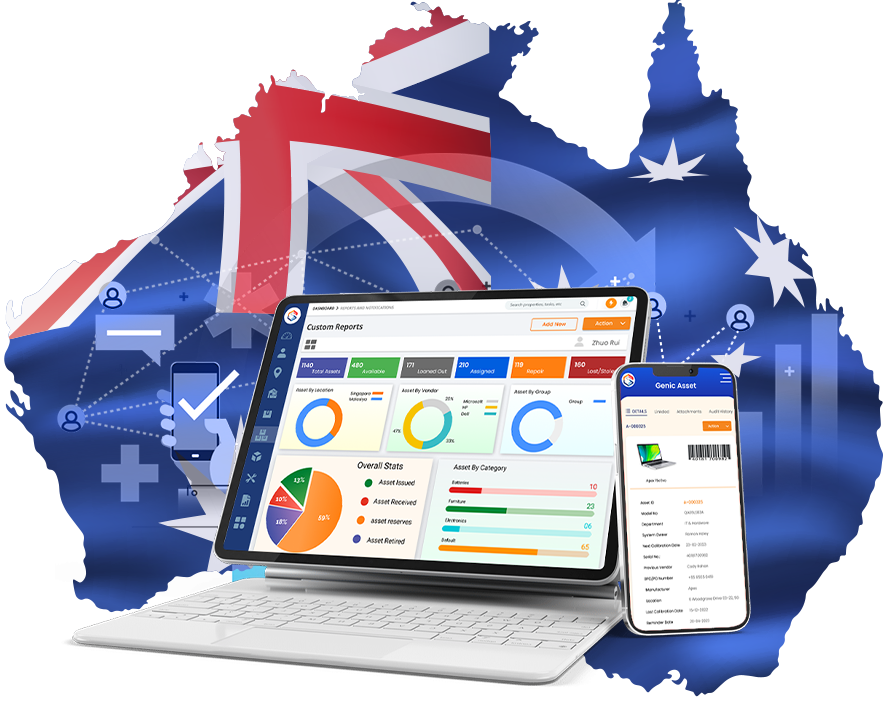
Asset management software in Australia is a digital solution that helps businesses organise, monitor, and control their assets throughout their lifecycle, from acquisition to disposal. Asset management systems are widely used by companies to ensure operational efficiency, regulatory compliance, and cost control.
By digitising asset records, businesses can reduce manual paperwork, prevent loss or theft, and track asset performance in real-time.
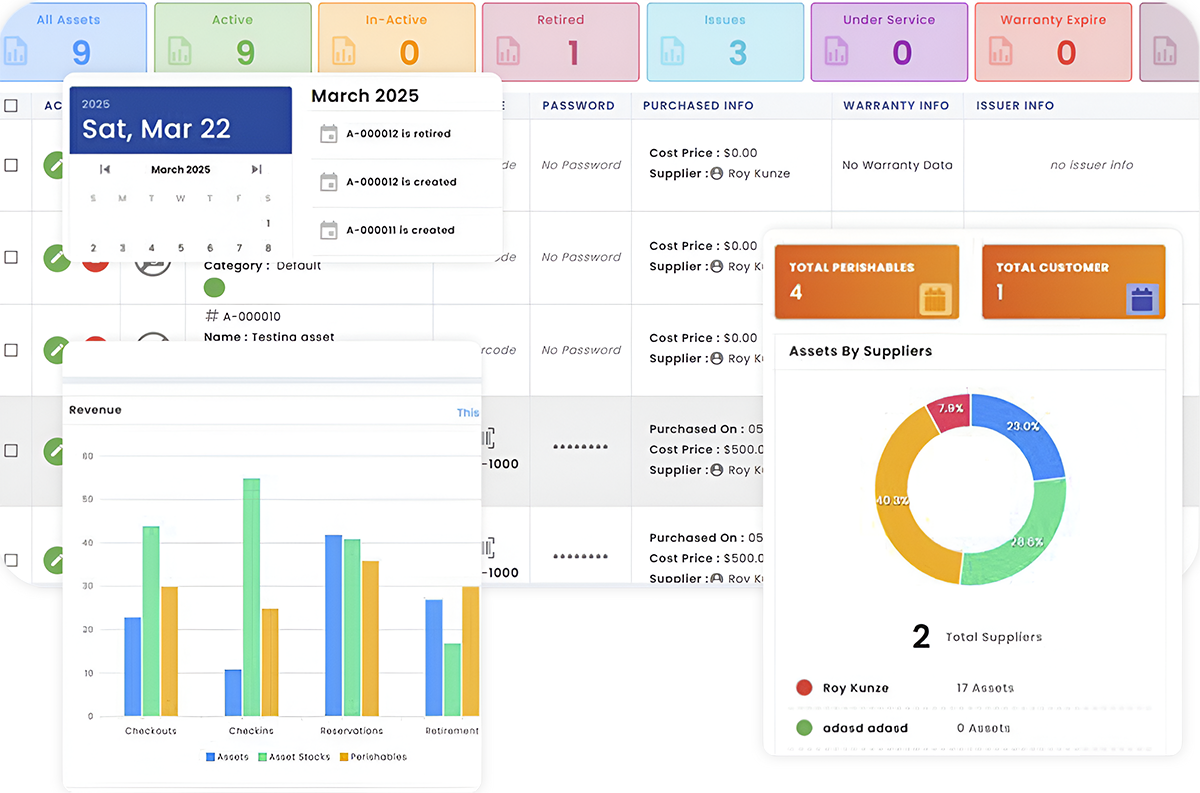
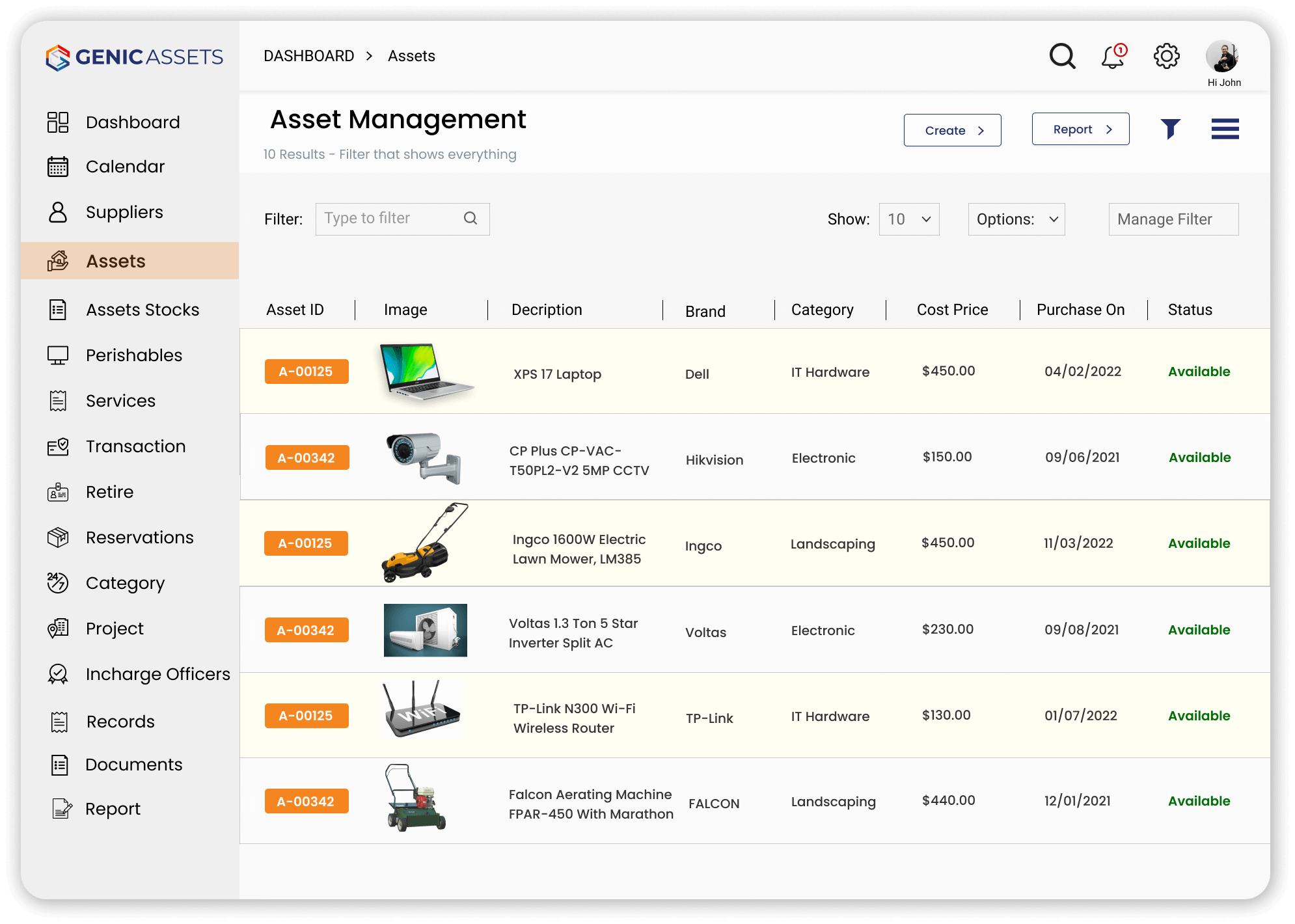
These systems typically include features such as asset tracking, maintenance scheduling, depreciation management, and reporting. They also provide dashboards for visualising asset data, improving decision-making across departments. For Australian businesses, asset management software can integrate with local accounting standards and software like MYOB and Xero, ensuring smooth financial management.
Digital asset management software in Australia also helps organisations manage IT equipment, software licences, and other digital resources, while physical asset management systems track machinery, vehicles, and office equipment. By centralising asset information, businesses can improve accountability, plan maintenance proactively, and optimise resource use, ultimately reducing costs and increasing efficiency.
Asset management software works by centralising all asset data in a single, secure platform, allowing businesses to monitor, track, and maintain assets effectively. It collects information about asset location, condition, maintenance schedules, and financial value, ensuring accurate reporting and compliance with Australian standards.
Step-by-Step Use:
Enter assets into the system with unique IDs, serial numbers, or QR/NFC tags.
Monitor asset location, usage, and condition in real-time via dashboards or mobile apps.
Set automated reminders for inspections, servicing, or preventive maintenance.
Calculate depreciation and integrate with MYOB or Xero to meet Australian accounting standards.
Generate reports for audits, regulatory compliance, and performance analysis.
Use insights to improve resource utilisation, reduce downtime, and plan replacements.
By following these steps, Australian businesses can gain full visibility over their assets, minimise losses, ensure regulatory compliance, and make data-driven decisions to improve operational efficiency.
Genic Assets functions as an Australian regulatory compliance support system that enables companies to maintain audit readiness while decreasing their risk exposure. The software operates according to the Work Health and Safety (WHS) Act 2011, which establishes legal requirements for asset maintenance and safety inspection procedures.
The system follows Australian Accounting Standards (AASB 116), which applies to fixed assets for tracking depreciation and generating financial reports. The ISO 55000 asset management standard serves as the international standard that Genic Assets applies to establish its asset management practices.
The system allows businesses to maintain records automatically and generate maintenance logs and reports that prove their adherence to both domestic and international regulatory requirements.
The operational implementation of these standards enables Australian businesses to increase their asset portfolio management control while they decrease their operational risks and boost their organisational responsibility while managing both physical and digital assets through a business asset management system in Australia.
Our asset management software in Australia supports organisations across diverse industries with structured asset control, compliance tracking, and lifecycle visibility. Whether you need advanced asset tracking capabilities or a complete Business Asset Management System in Australia, our platform adapts to industry-specific operational needs without complexity.
Asset management software is used by healthcare organizations to manage maintenance schedules, monitor health-related instruments, enhance patient safety, minimize downtime, and ensure compliance.
Explore Healthcare Asset Tracking
Educational institutions use digital asset management software to manage technology, laboratory equipment, and facility assets across campuses efficiently.
See Education Asset Availability
Retail businesses use asset management software in Australia to monitor store equipment, POS systems, and assets across locations efficiently.
View Retail Inventory Solutions
Asset Software Australia helps engineering companies manage their machinery, programs, and equipment more effectively and also minimize expensive downtime.
Explore Engineering Conflict Resolution
In Australia, cleaning businesses make use of asset tracking software to track tools, chemicals, and equipment, enhancing inventory management and decreasing operational losses.
See Cleaning Workflow Tools
Hospitality businesses rely on asset management software in Australia to manage furniture, kitchen equipment, and facility systems efficiently.
Discover Hotel Resource Management
In Australia, HVAC companies depend on asset management systems to monitor tools, spare parts, and service plans for efficient operations.
Check HVAC Maintenance Automation
Landscaping companies use Asset Software Australia to track vehicles, machinery, and irrigation equipment while preventing losses and scheduling maintenance.
Check Landscaping Equipment Tracking
Janitorial providers implement asset management systems in Australia to manage machinery, consumables, and tools while improving accountability and efficiency.
Explore Janitorial Asset Management
Asset management software is utilized by marine managers to keep track of vessels, engines, and safety gear to ensure compliance and regular maintenance.
Discover Marine Project Management
Customer service teams use digital asset management software in Australia to manage devices, minimise downtime, and maintain consistent service operations.
See Customer Service Asset Tools
Organisations rely on asset tracking software in Australia to monitor laptops, servers, and network devices while supporting lifecycle management.
View IT Hardware Tracking SystemGenic Assets helps Australian businesses gain full visibility over their assets, ensuring every piece of equipment, IT resource, and machinery is tracked, monitored, and optimised in real-time across all locations.
 Reliable Asset Tracking: Genic Assets operates a live asset tracking system which monitors multiple Australian sites to track all equipment, IT assets, and machinery, thus preventing losses while enhancing operational monitoring.
Transparent and Scalable Solutions: Our platform expands alongside your business needs because it provides clear dashboards, audit trails, and reporting tools which show complete asset visibility for both single offices and multiple nationwide locations
Optimised Resource Utilisation: Genic Assets operates an asset monitoring system which tracks usage data, maintenance records, and asset availability to help Australian businesses distribute their resources correctly while preventing operational interruptions and maximising asset potential for running their business.
Real-Time Monitoring and Reports: The system provides users with immediate notifications and system alerts, and operational data that they can access from anywhere across Australia. The system allows organisations to make quick decisions while they track compliance requirements and develop strategic plans for their assets that exist throughout all business units and physical locations.
Reliable Asset Tracking: Genic Assets operates a live asset tracking system which monitors multiple Australian sites to track all equipment, IT assets, and machinery, thus preventing losses while enhancing operational monitoring.
Transparent and Scalable Solutions: Our platform expands alongside your business needs because it provides clear dashboards, audit trails, and reporting tools which show complete asset visibility for both single offices and multiple nationwide locations
Optimised Resource Utilisation: Genic Assets operates an asset monitoring system which tracks usage data, maintenance records, and asset availability to help Australian businesses distribute their resources correctly while preventing operational interruptions and maximising asset potential for running their business.
Real-Time Monitoring and Reports: The system provides users with immediate notifications and system alerts, and operational data that they can access from anywhere across Australia. The system allows organisations to make quick decisions while they track compliance requirements and develop strategic plans for their assets that exist throughout all business units and physical locations.
When choosing an asset management system in Australia, businesses should prioritise functionality, compliance, scalability, and ease of use. Start by looking for software that offers reliable asset tracking, automated maintenance scheduling, and accurate depreciation management. Integration with accounting tools such as MYOB or Xero keeps financial records aligned, making reporting and audits simpler and more efficient.
The next step is deciding whether a cloud-based or on-premise solution best suits your business. Cloud-based software provides flexibility, remote access, and automatic updates, making it suitable for growing businesses. On-premise systems offer greater control over data and often suit organisations with strict security requirements or established internal IT policies.
Compliance should also be a key consideration. Choose software that aligns with AASB 116 for fixed assets, the Work Health and Safety (WHS) Act 2011, and other relevant Australian standards. Built-in dashboards and automated reporting make audits easier while helping businesses maintain ongoing compliance.
For organisations with field teams, mobile functionality is equally important. Staff should be able to update asset records, complete inspections, and access real-time information through a dedicated mobile app. This improves communication, increases accuracy, and keeps asset information consistent across different locations.
Beyond these core features, consider how well the software fits into your existing operations. Look for smooth integration with current business systems, intuitive user interfaces, customisable workflows, and the flexibility to scale as your business grows. It is also worth assessing vendor support, data security measures, and reporting tools that provide meaningful operational insights.
A robust asset management system helps Australian businesses reduce manual work, improve operational visibility, optimise resource utilisation, and maintain compliance. By selecting software that meets these key requirements, businesses can make informed decisions, protect valuable assets, and improve efficiency across single or multiple locations.
Genic Assets offers digital asset management software in Australia with real-time tracking and compliance-ready reporting compared to traditional manual tracking methods. This improves accuracy, saves time, and provides actionable insights.
| Feature | Genic Assets | Traditional Methods |
|---|---|---|
| Tracking | Real-time, multi-location | Manual logs, spreadsheets |
| Maintenance | Automated reminders | Reactive, paper-based |
| Compliance | Built-in AU standards | Manual audit checks |
| Reporting | Instant dashboards | Time-consuming reports |
| Resource Use | Optimised allocation | Hard to track utilisation |
Genic Assets seamlessly integrates with your existing business software, including MYOB, Xero, and other financial systems, allowing for streamlined workflows and accurate accounting. Our digital asset management software Australia businesses trust, centralises both physical and digital assets, providing a single source of truth for asset location, condition, and performance.
With integration capabilities, your teams can update asset status in real-time, sync financial data automatically, and generate reports without manual reconciliation. The platform also supports mobile access, so field staff and remote teams can manage assets efficiently.
By connecting to tools already in use, Genic Assets reduces administrative workload, improves data accuracy, and ensures that every asset is properly tracked, maintained, and accounted for. This makes it easier for businesses across Australia to optimise resources and maintain compliance with local standards.



The ideal software solution needs to offer simple operation and must adapt to business growth while meeting all Australian regulatory requirements. Genic Assets provides business solutions that connect to MYOB and Xero platforms to help small businesses perform asset tracking and maintenance operations and generate reports.
The cost of pricing depends on the features users select, their preferred deployment method, and their asset quantity. Genic Assets offers three different service packages, which enable businesses to pick their preferred solution for accessing all available features and obtaining support and compliance needs.
Asset tracking systems let users track their assets’ position and operational state, but asset management software enables organizations to handle their assets from acquisition to retirement through maintenance management, depreciation tracking, reporting, and compliance monitoring for different locations.
Yes, Genic Assets is fully compliant with the Australian Privacy Act 1988, ensuring that all data is securely stored, accessed, and processed according to national privacy regulations.
Genic Assets enables asset tracking at multiple locations through its platform, which shows current asset positions while sending automated notifications and providing unified monitoring interfaces for assets in all company facilities.
The software performs automatic data synchronization between assets and MYOB and Xero, which updates financial records, depreciation information, and reporting systems without requiring manual data entry to maintain proper accounting and legal compliance.
The software platform supports various business sectors, which include construction and healthcare, IT and manufacturing, and logistics and retail operations that depend on managing their equipment, vehicles, IT infrastructure, and expensive assets.
The implementation process requires between several days and multiple weeks to complete because it depends on asset numbers, system connection needs, and user training requirements. The implementation of Genic Assets requires their dedicated team to provide support, which helps organizations reach their implementation targets.
Join 120+ Australian businesses that have replaced spreadsheets with real-time asset visibility. Book a free demo — no credit card, no commitment.