Please don't fall for any job/grants/SaaS/Software related scams. For any query or concerns please reach to us directly at +65 6834 3026 or WhatsApp at +65-8910 8216
Please don't fall for any job/grants/SaaS/Software related scams. For any query or concerns please reach to us directly at +65 6834 3026 or WhatsApp at +65-8910 8216
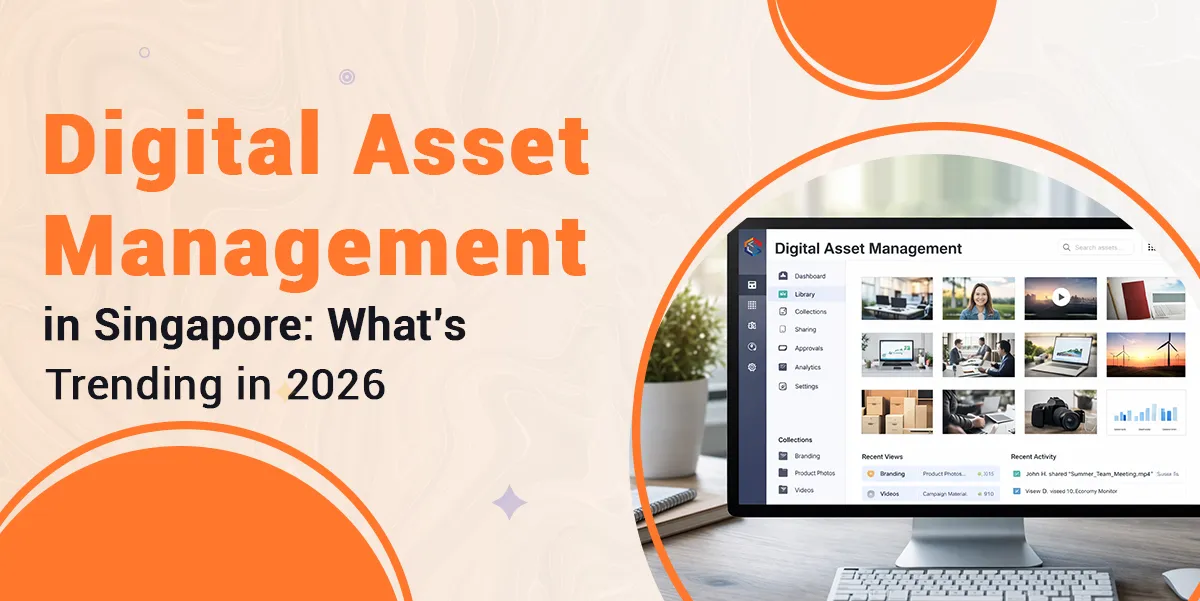
In 2026, as the economy gets more connected and quicker, Singapore will have a rapid transformation of the way businesses manage digital content. These days, organisations are managing many more digital assets than ever before, from marketing as well as training videos to product brochures and legal templates.
This makes digital asset management (DAM) a lot more than merely a luxury application. DAM systems, which were at one time used primarily by big companies, are now commonly used by small and medium businesses to store, manage, and access content more effectively.
The adoption of solutions like digital asset management in Singapore is further accelerated by the growing usage of remote and hybrid working, in addition to the increasing need for brand consistency and compliance with strict data standards.
In a world where content sales and marketing drive the economy, a DAM system that is user-friendly and dependable is vital for the Singaporean digital economy.
Singapore’s digital economy is expanding fast, pushing businesses to handle more media files each day. This includes product images, training videos, documents, and design files.
As companies publish content across more platforms, they need an organised way to store, search, and share it. That’s where digital asset management (DAM) comes into play.
DAM is no longer a “nice-to-have” for large organisations. Even small and medium-sized enterprises are now using it as a core part of their operations.
The best digital asset management software in Singapore companies adopt today offers structure, speed, and security in one package.
Remote work has made centralised access more urgent. Whether teams are working from offices, homes, or across countries, they need a consistent way to collaborate on digital files. Best DAM systems in Singapore offer this, making them essential tools for modern workflows.
Digital content has become the fuel for business communication. DAM ensures every team uses approved and up-to-date materials.
It reduces the risk of off-brand content being used and helps enforce visual consistency across all media.
In 2026, privacy laws are stricter than ever. DAM helps companies stay compliant by tracking who accesses, edits, or shares each asset.
This level of control supports not only brand integrity but also legal safety, which is vital in industries like finance and healthcare.
DAM isn’t just for storing files, but it speeds up operations. Teams waste less time looking for content and more time using it to drive results.
This added efficiency is why more firms are including DAM in their core business tech stacks in 2026.
In 2026, search tools in DAM platforms will be more powerful. Instead of browsing folder after folder, users now find files quickly using metadata. Metadata is the hidden data that describes each asset, like title, type, usage rights, and more.
Companies in Singapore are starting to add custom tags and labels. This helps teams search for assets faster and reuse content without wasting time.
For a lot of teams, remote work remains common. To get online access, DAM systems are now constructed.
This allows users to sign in from any location and still receive the assets they require. The system also provides teams with the tools to approve documents or even provide feedback.
This trend supports worldwide content delivery in Singapore, where cross-border teams are prevalent while making sure that things are kept in sync.
Singapore has extremely strict data protection laws. Companies should be aware about who is able to see or make use of each asset.
Access controls, version history, and audit trails are supplied by DAM systems, which assist with this.
By 2026, it will be a top concern. More companies are now reviewing their DAM systems to determine if they are able to support compliant and safe workflows.
DAM speeds up content creation and delivery. When teams find what they need in seconds, they can focus more on creating and less on searching. This reduces delays in marketing campaigns and product launches.
Singapore’s fast-paced markets need this edge. Being first matters, and DAM gives teams the tools to act fast and stay on brand.
System integration is going to be another important trend in 2026. Whenever DAM tools are connected to various other platforms, they work much better. It features tools for publishing, modifying, and sharing content.
In Singapore, businesses are working on systems that could communicate with each other. A connected setup decreases errors, and manual effort is reduced.
Read More: How Digital Asset Management Can Reduce Costs for Singapore SMEs
The best DAM systems in Singapore are built for ease of use. A clean interface and simple navigation help teams adopt the system quickly. If it’s too complex, people won’t use it, no matter how powerful it is.
As businesses grow, so do their content needs. Choose a DAM platform that can scale over time.
Look for options that support more users, more storage, and new use cases without needing a full system overhaul.
Not every business needs the same features. Some want strong mobile access while others want advanced tagging or analytics. The key is to choose a system that meets current goals but can expand to meet future ones, too.
The largest users of DAM systems are going to be the marketing and design teams in 2026. They work together on designs, and also upload brand material, and also make certain that only approved visuals are posted. This makes certain the consistency is maintained throughout the different channels.
More departments now rely on DAM every day. Sales teams store and access product brochures, while HR teams use them to manage training videos and onboarding documents. Even legal teams use it to archive important communication templates.
By using a shared DAM system, businesses remove silos. Everyone knows where to find what they need. This leads to better collaboration, faster approvals, and a more consistent brand experience across the board.
As DAM systems evolve, they’ll offer smarter features. Teams may receive content recommendations based on what they’ve used before. This helps speed up workflows and ensures they’re using the most relevant files.
Businesses in Singapore are becoming more eco-conscious. Digital asset management in Singapore supports this by encouraging asset reuse and reducing duplication. When teams can find and repurpose what they need, there’s less need to create new content from scratch.
Security is at the heart of DAM’s future. Features like watermarking, time-limited access, and advanced permissions help prevent misuse. These tools protect valuable digital content and reduce the risk of breaches.
Analytics will shape how businesses use DAM. Teams can track how often assets are used, who uses them, and which ones drive results. This helps businesses invest in the right content and get more value from their assets.
Also Read: How Digital Asset Management is Being Revolutionized by AI and Machine Learning
If you are looking for an effective asset management solution for better management, try Genic Assets Management Software Solutions!
By 2026, digital asset management in Singapore is going to develop quickly. The developments toward systems that are less complicated, more secure, and designed for the modern workplace are coming from smarter search programs as well as seamless integrations.
Businesses nowadays are moving beyond the basic principles of storage to completely support the content lifecycle. DAM is now a crucial component of how businesses handle content, with more stringent regulations around data and also a better focus on branding and speed.
In choosing a platform, you should think about what features are most important to the user, as well as ease of use. DAM enhances workflow, reduces waste, and also boosts brand consistency when used properly.
Articles you might like

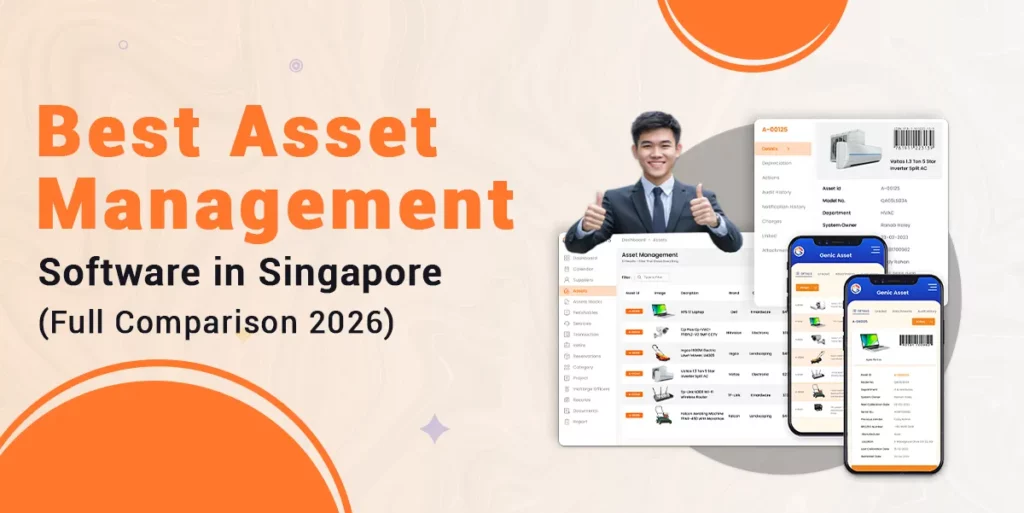




Genic Assets provide complete visibility, traceability, and accountability of your assets!
Get StartedAre you ready to switch from Excel and Spreadsheets to Cloud-based Asset Management Software? Get started with Genic Assets Management System!