Please don't fall for any job/grants/SaaS/Software related scams. For any query or concerns please reach to us directly at +65 6834 3026 or WhatsApp at +65-8910 8216
Please don't fall for any job/grants/SaaS/Software related scams. For any query or concerns please reach to us directly at +65 6834 3026 or WhatsApp at +65-8910 8216
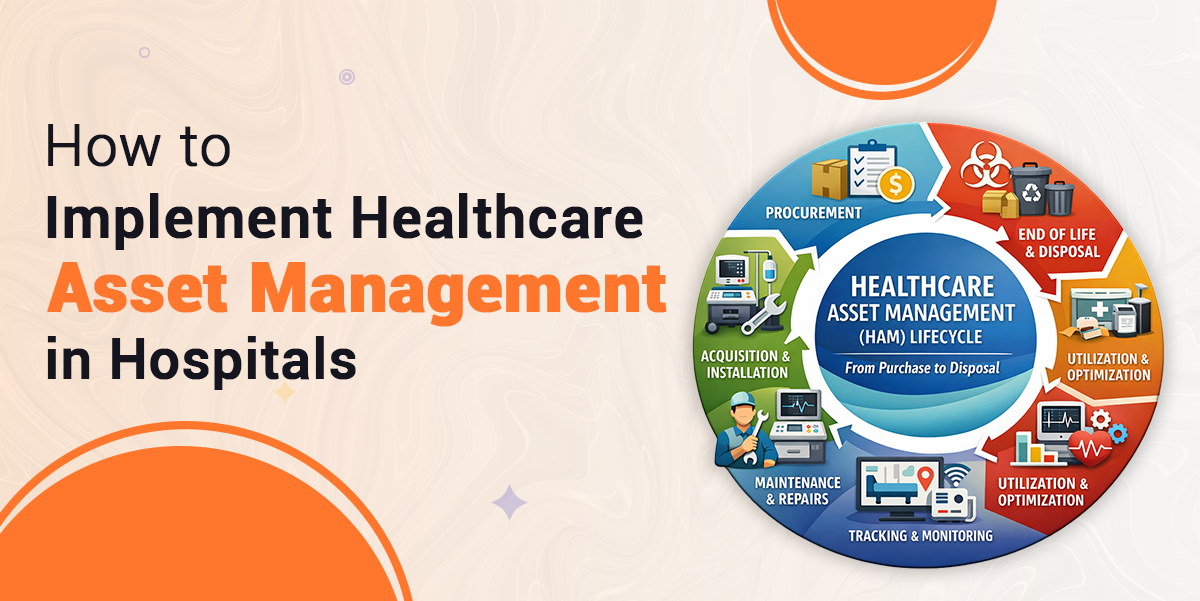
A hospital is a very high-pressure environment, and every second counts. From defibrillators as well as infusion pumps to vital sign monitors and wheelchairs, medical professionals depend on several assets every day to provide safe, timely treatment.
However, without a good healthcare asset management process, equipment sometimes gets lost, overused, and replaced unnecessarily, which may cause patient safety to be compromised, and costs can add up, together with delays as well as frustration.
Not knowing what type of equipment you have is not enough, as you should know what it is used for, who makes use of it, and whether it’s ready for action.
So that staff can focus on their patients, and much less on chasing down lost gear, when they have a well-designed system which brings structure, visibility, and control. This guide will provide you with everything about asset management system you need to start building an effective healthcare asset management system for your hospital.
Asset management in hospitals does more tasks than counting equipment. It’s directly tied to patient safety, staff efficiency, and financial performance. When clinical teams spend time looking for equipment or using outdated tools. Delays in treatment, missed maintenance, or equipment loss can all have serious consequences. That’s why a structured, system-based approach is essential.
Hospitals can keep tabs on what each item is used for, with a good asset management process in use help to reduce the amount of time staff members spend searching, decreases interruptions to care, and also ensures the appropriate tools are always available if needed.
Whenever equipment usage is tracked, frequent, proactive maintenance becomes a lot easier. The system is able to alert users when devices have been serviced and replaced by extending their useful life, and also avoiding breakdowns at crucial times.
Also Read: Extend Hospital Asset Lifecycle with Asset Management Software
Hospitals help in reducing unnecessary rentals or the same purchases by knowing exactly what’s already available in stock. The automated logs and usage data make audits simpler and ensure compliance with regulations without the paperwork problem.
Implementing a healthcare asset management needs proper planning, coordination, and the right tech. Let’s understand how to implement in a proper step-wise manner:
Start by taking stock of all your critical equipment, like what you have, where it usually sits, who uses it, and how (or if) it’s tracked. It is a routine task, and you likely find more issues like delays in finding gear, missing items, or equipment that’s never used.
These insights help you analyse where things are falling apart and give you a solid case for upgrading to a proper asset management system, which fixes these everyday problems for staff and patients.
You need to set it before you begin your work. The goals may be reducing the time staff spend searching for equipment by half, reducing the same purchases, or staying on top of regular maintenance.
Set some specific metrics so you can measure whether the system’s actually working. Things like average search time, utilisation rates, or maintenance compliance will give you a proper sense of progress and where to improve. So clear goals make implementation smoother and much easier to justify to leadership.
There are various tracking systems available, and not all are identical. Some hospitals use RFID tags, which are easy to read through, while others depend on Wi-Fi, Bluetooth, or AI-enhanced methods to offer real-time location information.
The technology you are choosing depends on your hospital’s size, layout, and finances. As real-time tracking might not be required for a small clinic, but knowing where every asset is at any time is beneficial.
Consider what issues you are trying to resolve, like speed, accuracy, and information insights, and select a method that meets your real requirements.
To maximise the utilisation of your asset management system, it needs to integrate with your other platforms.
Integrate it with your financial tools, maintenance software, and electronic medical records. This brings everything together, such as monitoring spending on rentals or replacements for medical equipment used on a patient, or even automatically flagging when equipment used requires maintenance or cleaning.
Whenever the systems are connected, you are able to make decisions based on real-time data from all over the hospital, instead of relying on assumptions.
If the staff do not understand how to make use of the system correctly, the very best system will not work either. So take the time to train your teams. Make it clear to them what to do while checking equipment, how to set up alarms, and who to contact in case something is wrong.
Make the process consistent as well as simple so nobody is left guessing. Understand their feedback to help you address gaps earlier.
If people understand what is expected as well as feel confident making use of the system, adoption will be quicker, and results will be much more significant.
Once the system is in place, keep an eye on how it’s doing. So ask like:
Use this data to fine-tune things, whether that’s adjusting how alerts work or expanding tracking to new departments, and don’t stop there. This hospital asset management implementation guide helps you build confidence and see results, use the system on more assets or locations.
When implementing a healthcare asset management system, there are several challenges you need to face. While the benefits are clear, many hospitals face obstacles during implementation, especially if it’s a shift away from manual or outdated processes.
The staff is used to a particular technique, and introducing new systems frequently causes some problems. As adoption could be slowed down by appropriate training and clear communication.
It may be tough to integrate the new platform with pre-existing EMRs, maintenance programs, and procurement software. Because bad integration results in data gaps as well as frustration.
The cost of asset management systems, particularly with AI capabilities or real-time monitoring, may vary. With no solid external support, justifying the upfront investment could be a difficult one.
If the initial asset audit is not detailed, then the system begins with incorrect details, which may result in tracking problems later on.
When the system is live, it will require periodic updates, user assistance, and occasionally adjustments. Even the very best systems may lose their worth with time if you do not have a plan in place for guaranteeing that.
Understanding these challenges in the beginning will help hospitals plan so as to stay away from common mistakes and put the groundwork for a smoother implementation.
Hospitals manage thousands of assets daily, like beds, monitors, pumps, and more often across multiple departments.
Traditionally, tracking relied on manual checklists or barcode scanning, which leads to delays, misplacement, and duplication. Now, modern hospitals are adopting smarter solutions.
RTLS uses technologies like Bluetooth Low Energy (BLE), Wi-Fi, or RFID to pinpoint the exact location of equipment across the facility.
With it, staff can quickly search for any item via a digital dashboard, saving critical time and reducing frustration.
Beyond just finding equipment, hospitals now use AI-enabled platforms that analyse usage patterns.
These systems identify underused assets, predict demand spikes (e.g., flu season), and recommend redeployment as all helping improve availability without unnecessary spending.
Smart systems can trigger alerts if equipment leaves a designated area, is due for maintenance, or hasn’t moved in days. This proactive tracking minimises loss, ensures compliance, and extends the lifecycle of critical devices.
The most efficient hospitals integrate their tracking platforms with electronic medical records (EMRs) and maintenance software. This centralises asset visibility, streamlines operations, and supports smarter, data-led decisions.
With a well-implemented system, hospitals gain complete visibility and control over how assets move, perform, and contribute to patient care. Now you have a clear understanding of how hospitals track equipment in a proper manner.
If you are looking for an effective asset management solution for better management, try Genic Assets Management Software Solutions!
Implementing a healthcare asset management system is, generally, not simply a matter of checking boxes or even achieving compliance. It is about ensuring the safety and comfort of all medical staff as well as patients.
As you learn more about your equipment, how often it is used, and what condition it is in, it becomes easier to plan for long-range planning.
So teams could be far more concentrated, and maintenance gets to be much more hands-on. With much better care, fewer delays, and waste. As hospitals get more complex, utilizing classic systems or manual tracking is not sustainable.
A modern asset management system lets you have real-time visibility as well as control of your assets, keeps you in charge of audits and maintenance, and also increases the effectiveness of your hospital. It’s an investment that is going to pay off fast in the current healthcare system.
Articles you might like







Genic Assets provide complete visibility, traceability, and accountability of your assets!
Get StartedAre you ready to switch from Excel and Spreadsheets to Cloud-based Asset Management Software? Get started with Genic Assets Management System!