Please don't fall for any job/grants/SaaS/Software related scams. For any query or concerns please reach to us directly at +65 6834 3026 or WhatsApp at +65-8910 8216
Please don't fall for any job/grants/SaaS/Software related scams. For any query or concerns please reach to us directly at +65 6834 3026 or WhatsApp at +65-8910 8216
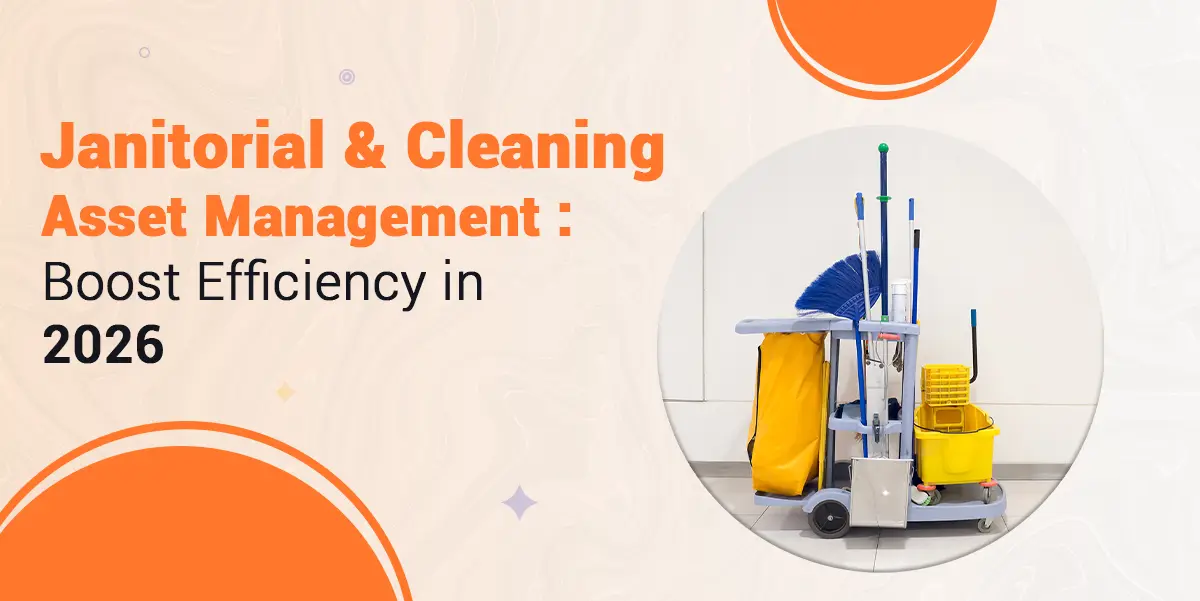
Cleaning teams face growing pressure in 2026. They must work with low budgets, meet rising hygiene standards and manage more equipment than ever before. Many sites now depend on larger fleets of machines, tools and supplies.
When these assets break down or go missing, then teams struggle to meet the demand. This is why a strong cleaning asset management system has become a smooth and reliable cleaning operation.
In this guide, you will learn about how better asset control boosts efficiency, cuts costs and supports the changing expectations of facilities in 2026.
Cleaning work depends on a wide range of assets. From mops and buckets to scrubber machines and vacuums, each item plays a clear role.
When one part of the chain fails, the whole team slows down. A structured cleaning asset management system helps bring order and predictability to these everyday tools.
Many cleaning teams still use loose systems to manage their equipment. They rely on memory, verbal notes, or scattered lists.
These approaches lead to lost tools, late repairs and improper use of time. A clear process brings all assets together in one place so supervisors can see what they own and how well each item works.
When tools receive regular checks, small faults get spotted before they grow. This saves money and prevents downtime. It also limits disruption during busy hours, when teams need full access to equipment.
A strong asset process protects workers. Cleaners use machines and tools many times a day. If a machine has a loose cable, a worn wheel or a damaged switch, the risk increases. Tracking the condition of each item reduces harm and keeps the workplace safe.
Many clients now ask for proof of planned cleaning, maintenance and tool condition. Asset records support this with simple and trusted data that shows how equipment is handled.
Many teams ask how to manage cleaning equipment in a way that feels simple and practical. The core steps stay the same for small and large teams.
Start by listing every item in your cleaning fleet. Add small tools as well as large machines. This gives a clear starting point and helps you plan upkeep and assignment.
Give every asset a clear identity. This could be a code, number or mark. The aim is to make each item easy to recognise and track. Good labelling avoids mix-ups and ensures assets do not wander off.
When tools have clear owners, they remain more organised. Assigning equipment also helps workers feel responsible for the assets they use each day.
A simple check-in and check-out practice stops loss. Each time a tool moves from one area to another, record it. This builds a picture of use and demand.
Inspect tools on a set routine. Look for loose parts, worn pads, low battery health or leaks. When these issues get logged early, breakdowns fall.
With this structure, you build a strong base for any janitorial asset tracking software approach. Even if you do not use digital tools, the principles stay the same. Structure prevents clutter and confusion.
The facility management sector is evolving fast. Cleaning teams face new expectations each year, and asset control plays a bigger role in meeting them.
Since recent global health events, hygiene checks have grown in scope. Teams must show that their tools stay clean and safe. Keeping track of upkeep and sanitisation helps meet these standards.
More facilities use modern machines with digital features. These machines help teams work faster but need planned upkeep. A strong cleaning asset management system supports these tools so they work at peak level each day.
Many organisations now follow environmental goals. They want to use less water, fewer chemicals and fewer single-use items. Proper tracking helps managers understand what tools support these goals and which tools waste resources.
Supervisors often need to show how equipment is handled, how much it costs and how long it lasts. Asset records answer these questions with ease.
A clear tracking setup shapes the daily flow of work in simple, practical ways, which makes each shift easier for cleaners and supervisors.
When each asset has a place, and each move is tracked, cleaners do not waste time looking for equipment. They start work faster and stay on schedule.
Routine checks help to catch problems before they interrupt work. A scheduled repair is always easier to manage than an unexpected breakdown.
Well-kept tools help teams clean effectively. This supports morale and reduces stress during demanding shifts.
Management gets a clear view of what they own and what they need. This helps them plan tasks, assign teams and organise routes.
A consistent janitorial equipment tracking software approach strengthens all these benefits by removing guesswork and improving visibility.
A strong strategy balances structure with daily needs. Here are the steps to build a reliable approach.
Understand what works well and what causes issues. Note which machines break often, which items go missing, and which tools sit unused.
Create a simple routine for logging tools. Make sure the whole team follows it. A standard method creates calm and order.
Link upkeep to hours of use, not rough estimates. This makes upkeep more accurate and reduces waste.
Check which tools give the best value. Tools that break often or sit idle may need replacement.
As your sites expand, your asset list must grow too. Review your system every few months to keep it up to date.
These steps build a foundation that supports both simple and advanced cleaning tools asset management solution setups.
The cleaning industry moves toward sustainable, predictable and data-led operations. Asset control aligns with these shifts.
Many firms now set targets for lower energy, lower water use and better waste management. Tools that run at the right settings help achieve these goals. Tracking the performance of these tools supports long-term change.
Automated cleaning equipment reduces physical strain on workers. These machines need steady upkeep. Asset tracking keeps them in good shape.
Many sectors must now meet strict safety and hygiene rules. Tracking equipment condition helps teams stay compliant with less pressure.
Clients want proof that cleaning processes are safe and responsible. Asset records help build trust through clear reporting.
Every cleaning team works in a different setup, so the way you manage assets should fit the size and structure of your operation.
A structured manual routine may be enough. As long as checks stay consistent, the system stays strong.
A mix of manual logs and digital structure can work well. A clear routine helps keep tools in place across shifts.
A more centralised approach supports greater consistency. Tracking helps manage larger fleets of tools with many users.
No matter the size of the team, the goal stays the same, which is clearer control, fewer delays and better results.
Strong asset control does more than solve daily issues as it creates lasting improvements that shape the way cleaning teams work for years to come.
Well-kept tools last longer and reduce repair spending.
Functioning tools support better cleaning standards.
Managers can plan with fewer surprises.
A fleet of reliable tools supports a smooth, confident cleaning service.
A reliable cleaning tools asset management solution links all these benefits together.
An asset management system has become vital for cleaning teams in 2026. As standards rise and facilities expect more transparency, asset control helps teams stay organised, safe and productive. Clear tracking, planned upkeep and simple routines reduce strain and support both workers and supervisors.
Whether you manage a single site or many locations, a structured system helps you save money, protect your team and deliver steady results. With consistent care, your cleaning fleet becomes more reliable, costs less to run and helps you meet the growing demands of modern cleaning work.
This is the path to stronger efficiency, better service and healthier spaces across every site you manage.
If you are looking for an effective asset management solution for better management, try Genic Assets Management Software Solutions!
Articles you might like


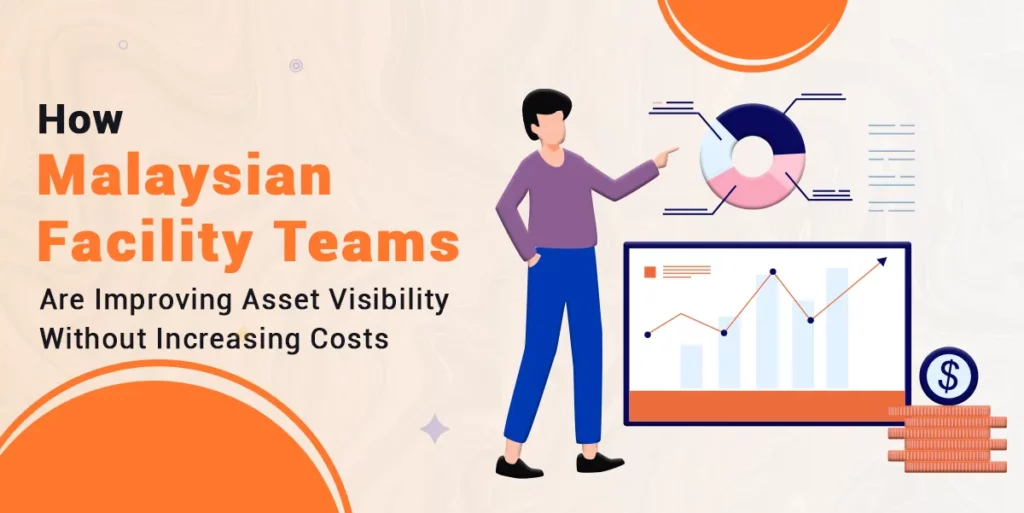




Genic Assets provide complete visibility, traceability, and accountability of your assets!
Get StartedAre you ready to switch from Excel and Spreadsheets to Cloud-based Asset Management Software? Get started with Genic Assets Management System!