Please don't fall for any job/grants/SaaS/Software related scams. For any query or concerns please reach to us directly at +65 6834 3026 or WhatsApp at +65-8910 8216
Please don't fall for any job/grants/SaaS/Software related scams. For any query or concerns please reach to us directly at +65 6834 3026 or WhatsApp at +65-8910 8216
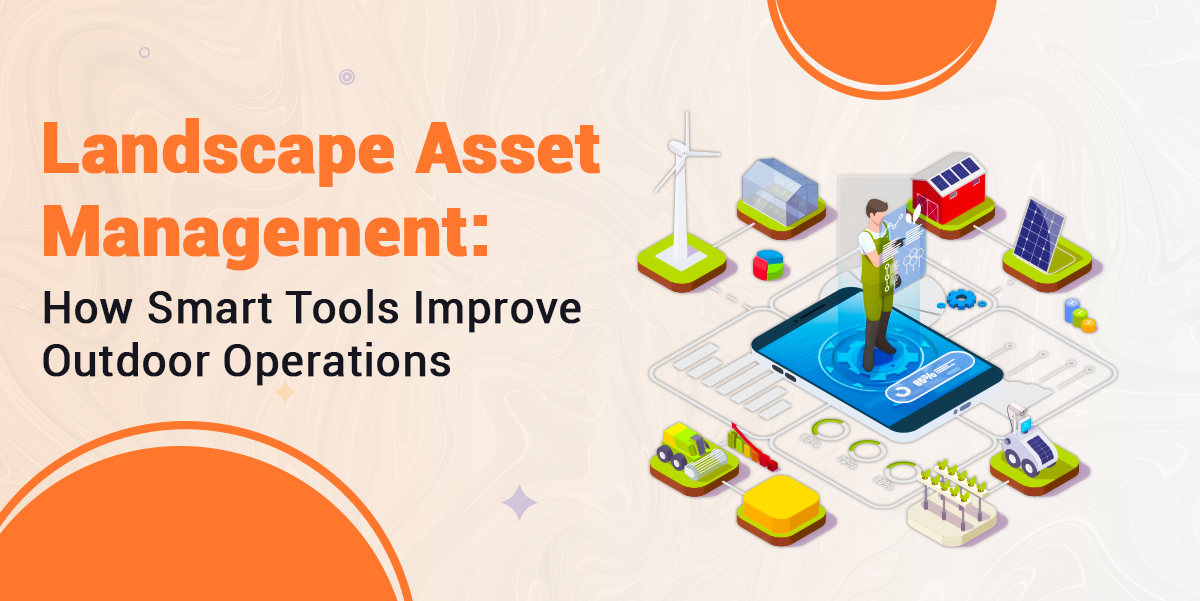
In 2026, landscaping teams use smart digital tools to take care of outdoor spaces fast and easily. Landscape asset management software offers everything in one place, so managers can find equipment, set up work and look after natural areas without trouble.
With help from AI, sensors and digital maps, teams see problems early and stop breakdowns, which saves water and materials.
These tools make daily jobs easier for crews, help teams talk and share and show groups how to pick the best long-term plans. Whether teams care for parks, gardens, sports fields or big open spaces, the asset tracking system shows what needs care and when.
This leads to healthier landscapes, lower costs and more reliable outdoor operations, all thanks to modern outdoor asset tracking systems.
In 2026, landscape asset management software is a specialised digital system used by landscaping companies, conservation teams and facility managers to bring together the tracking, upkeep and financial management of all outdoor assets.
Where older software only handled basic equipment lists, the 2026 versions use Artificial Intelligence (AI) and IoT sensors to manage both hard assets and soft assets actively.
Intelligent asset tracking shows teams exactly what equipment moves where and how it works – in real time. GPS, RFID, or QR codes help find lost items and increase crew honesty during planning.
It also allows managers to identify how things get used, check if tools stay strong, speed up checks and make sure every tool is ready for the next job. This helps anyone who wants simple, strong landscape equipment tracking software.
Automated lifecycle management follows each asset from the day managers buy it until they retire it.
The system logs condition, service records and depreciation on its own, which helps managers pick the right time to replace items.
As a result, organisations avoid costly downtime, stop overspending, hold steady budget control and make smart choices that grow long-term return on investment while they keep essential equipment in reliable working order.
Proactive maintenance scheduling leads teams from quick fixes to predictive care. Sensors track heat, vibration, or moisture and warn teams before failure shows up.
This blocks breakdowns, stretches asset lifespan and cuts emergency repair costs. So, managers shape maintenance plans more smoothly, which reduces interruptions during busy times and keeps machinery, vehicles and landscape systems safe, steady and ready for daily tasks.
Operational intelligence tracks work orders, crew assignments and route planning into one smooth system.
First, it lifts communication, reduces administrative time and raises the number of jobs teams finish each day.
Next, with tools for route optimisation and digital task tracking, teams trim unnecessary travel, stay organised and deliver steady, timely results.
Finally, this central platform guides managers as they coordinate resources across many sites or projects.
GIS and mapping integration shapes trees, irrigation points, pathways, soil zones and other physical features into a clear digital map.
Then, this allows teams to plan maintenance, monitor natural assets and manage open spaces with better accuracy.
After that, by joining spatial data with asset records, organisations trace changes over time, strengthen conservation efforts and make wise decisions that support long-term landscape health and sustainability, key for managing municipal landscape assets.
Also Read: Asset Tracking System vs Asset Management Software
Smart tools handle the hard work usually needed for daily care:
Smart irrigation guides modern landscaping and replaces fixed timers with real-time control:
Technology helps teams prevent breakdowns before they happen:
Digital tools sharpen daily choices with clear “operational intel”:
By 2026, the industry will focus on “Smart Device-Assisted Longitudinal Tracking” to measure landscape performance:
In 2026, municipalities rely on outdoor asset tracking systems to oversee vital public infrastructure like parks, water systems and roads by blending Geographic Information Systems (GIS), IoT sensors and AI-driven predictive maintenance.
Many councils choose a purpose-built outdoor asset tracking system to simplify the work and sharpen results.
The first step shifts councils away from scattered spreadsheets and pulls everything into one central digital asset registry:
Asset management software goes beyond location and shows live health and status:
Instead of fixing broken items, municipalities use AI algorithms to study past data and sensor feedback:
Mobile-first design keeps field crews linked to the central system:
Smart landscape tools now help teams easily care for outdoor spaces, big and small. These systems track assets, make repairs and send real-time updates so teams move faster and fix problems.
Managers plan with confidence, stretch resources and pick what to do by using clear, current facts. Municipalities, facility teams and landscaping companies all enjoy safer spots, smoother days and stronger long-term results.
As technology grows, these tools will open even more ways to care for parks, gardens, paths and public spaces. With smarter systems, it simplifies daily work, and organisations keep outdoor areas healthier and greener for everyone in the future.
If you are looking for an effective asset management solution for better management, try Genic Assets Management Software Solutions!
Articles you might like









Genic Assets provide complete visibility, traceability, and accountability of your assets!
Get StartedAre you ready to switch from Excel and Spreadsheets to Cloud-based Asset Management Software? Get started with Genic Assets Management System!