Please don't fall for any job/grants/SaaS/Software related scams. For any query or concerns please reach to us directly at +65 6834 3026 or WhatsApp at +65-8910 8216
Please don't fall for any job/grants/SaaS/Software related scams. For any query or concerns please reach to us directly at +65 6834 3026 or WhatsApp at +65-8910 8216
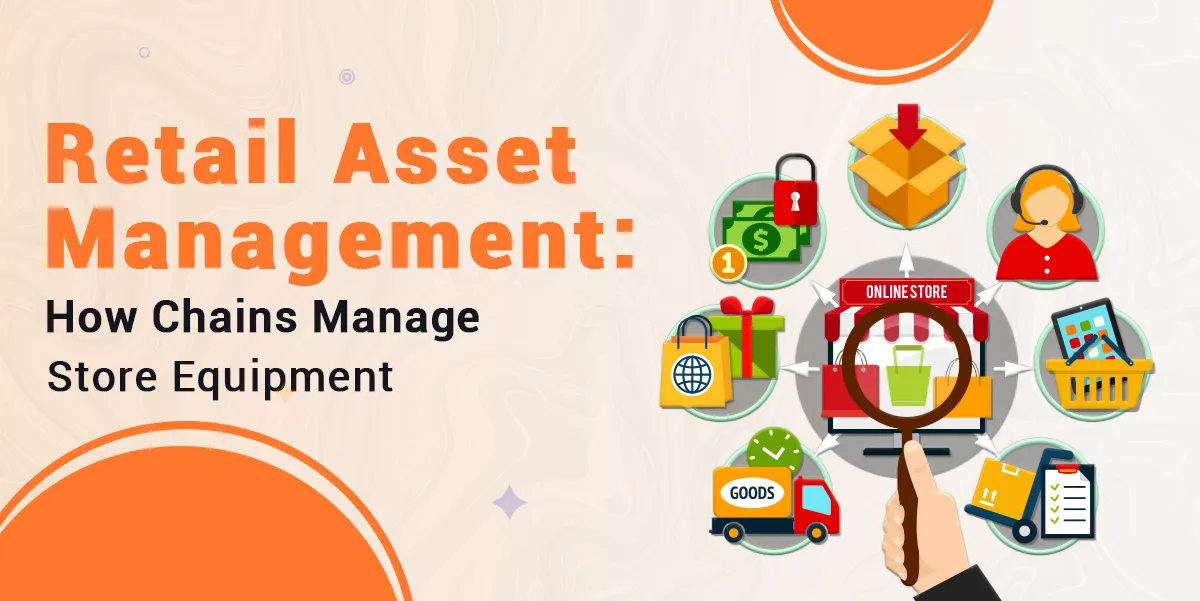
Large retail chains have to deal with a complex operational challenge when it comes to managing their equipment across multiple sites. From point-of-sale systems and refrigeration devices to security devices and IT infrastructure, these assets play a critical role in daily store performance as well as customer experience.
Retailers today face inconsistency in maintenance, rising costs, compliance risks, and limited visibility across branches without a structured approach. A systematic framework to track, maintain, and optimise equipment throughout its lifecycle is provided by retail asset management.
Chains achieve better operational control as well as financial clarity by centralising asset data and standardising processes. In this guide, you will learn about how retail asset management software works, what difficulties are faced by multi-location retailers, and how modern software solutions can help companies boost efficiency, reduce downtime, and support long-term growth.
Retail asset management is the strategic, systematic process of tracking, maintaining, and optimising a chain store’s physical and digital resources to improve operational efficiency and profitability.
Basically, these assets include tools like a POS(point-of-sale) system, security devices, IT hardware, and more. Later in this guide, you will find more about retail asset management benefits and more.
Large retail chains oversee hundreds or thousands of physical assets across locations, including:
Each of these assets directly affects revenue, compliance, and customer experience.
Managing equipment in one store is manageable. But handling at 50, 200, or 1,000 locations might bring some challenges. Let’s explore challenges below:
Without centralised systems, asset data often lives in spreadsheets, emails, or local systems. Corporate teams lack real-time insight into:
This creates decision-making blind spots.
Different stores may handle maintenance differently:
Without standardised retail maintenance management processes, breakdowns become unpredictable and costly.
When equipment moves between locations without proper tracking, then chains experience:
This is why multi-location asset tracking is essential for modern retail chains.
Retailers must comply with safety and inspection regulations, especially for:
Poor documentation can result in penalties and liability risks.
Retail chains increasingly rely on retail asset management software to centralise equipment control. The software provides:
Instead of fragmented systems, chains gain structured operational control.
An effective multi-location asset tracking allows retailers to:
This ensures complete visibility across the retail network.
Retail maintenance management functionality includes:
This reduces downtime and improves accountability.
Retailers can track:
This supports smarter capital expenditure planning.
Software systems store:
This ensures compliance readiness at all times.
The big retail chains start by creating a centralised asset database in which every piece of equipment is formally registered.
A unique identification number is assigned to each asset across all retail locations. It is classified by type, like refrigeration units, or shelving, security equipment, POS systems, and tagged with the responsible department or store.
This systematic registration procedure guarantees total visibility and also establishes throughout the organisation a single point of fact for asset data.
Once registered, assets are deployed and digitally assigned to specific store locations using retail asset tracking software for multiple stores.
Equipment is tagged by branch, enabling corporate teams to see exactly where each asset is operating. When transfers occur between stores, the system records movement history to prevent loss or duplication.
Access permissions are also controlled to ensure only authorised personnel can update asset data by eliminating confusion and improving accountability.
In order to stay away from expensive breakdowns, retail chains usually use preventive maintenance methods.
Additionally, it manages routine inspections, automates service reminders and monitors equipment functionality as time goes by.
So, changing from reactive maintenance to proactive maintenance helps retailers to minimise urgent repairs, which extends the life span of their buildings, and also ensures smooth store operations.
Managers as well as executives rely on centralised dashboards which show asset overall health by area, downtime stats, maintenance costs per store, along with high-risk equipment alerts.
These real-time insights allow quicker decisions, better budgets, and improved operational control across multiple sites.
Finally, retailers evaluate repair frequency, total cost of ownership, and performance decline to determine when assets should be replaced.
Data-driven analysis ensures equipment upgrades occur at the optimal time, balancing operational efficiency with long-term cost savings.
Implementing a retail asset tracking system for multiple stores gives large retail chains control over their equipment and measurable operational improvements. Let’s explore some of the most common benefits of retail asset management software:
The system allows retailers to view and monitor all their equipment from a single dashboard, giving them complete visibility of the inventory.
Decision makers will be able to instantly view asset locations, the condition of the asset, maintenance history, and usage rates.
Transparency eliminates data silos and also makes sure that corporate teams and regional managers use correct, current information.
Preventive service scheduling as well as automatic maintenance alerts considerably reduce unanticipated equipment failures. Rather than dealing with breakdowns that interrupt store operations, maintenance teams can deal with problems early. This proactive strategy ensures that critical systems like refrigeration units, as well as POS terminals, operate smoothly.
Better oversight helps retailers lessen emergency repair costs, avoid duplicate purchases and avoid asset misallocation among retailers.
The availability of precise lifecycle data enhances forecasting and budget accuracy, helping businesses to allocate capital better.
Each asset is allocated to a competent team and a particular store, ensuring clear ownership. This eliminates equipment breakdown, improper use, and undocumented transfers between branches.
Long-term investment planning is accompanied by comprehensive performance and lifecycle data. Retailers can confidently determine when to repair, upgrade, or change equipment based on data as opposed to guesswork, ensuring sustainable operational growth.
Effectively managing store equipment maintenance across multiple locations requires structure, standardisation, and technology. Retail chains that scale successfully ensure consistency in how maintenance is planned, executed, and monitored.
In order to stay away from inconsistent maintenance procedures, retailers must use the very same maintenance procedures throughout all branches. Utilising the same inspection methods, reporting methods, and service deadlines, standard operating guidelines make certain that each store utilises the same inspection procedures, reducing functional gaps.
We must shift from reactive fixes to preventive maintenance. Routine inspections and maintenance can help reduce expensive emergency breakdowns, prolong asset life and also minimise unforeseen equipment problems.
Increased efficiency as well as accountability are realised through the use of digital systems to produce, assign, and monitor work orders. Automated workflows decrease delays, ensure timely approval,s and keep an entire history of maintenance for every asset.
Regular audits examine the location of the assets, their condition, and their usage. This can help avoid loss, identify underperforming equipment, and also guarantee accurate records across stores.
Budgeting and reporting accuracy increases by integrating asset management software with finance as well as ERP systems. Training store managers on problem reporting also ensures consistent communication and quicker response times.
Selecting the right retail asset management system is a strategic decision that directly impacts operational efficiency, maintenance control, and long-term scalability. Let’s explore below:
The system should easily support additional stores, regions, and assets without performance issues. As retail chains expand, the software must handle growing data volumes and increasingly complex operations.
Cloud-based platforms enable real-time access to asset data from anywhere. This ensures corporate teams, regional managers, and store personnel can collaborate seamlessly across locations.
Technicians need mobile access to receive work orders, update maintenance records, and upload photos or inspection notes directly from the store floor. Mobile functionality improves response time and accuracy.
Seamless integration with ERP, accounting, and procurement systems ensures accurate budgeting, asset depreciation tracking, and financial reporting.
Robust dashboards and analytics tools help retailers monitor asset health, maintenance costs, and performance trends for better decision-making.
Reliable implementation guidance, training resources, and ongoing technical support are essential for smooth adoption.
Ultimately, the right system should evolve and grow alongside your retail chain.
If you are looking for an effective asset management solution for better management, try Genic Assets Management Software Solutions!
Managing store equipment in several locations requires more than basic tracking as it demands a structured, technology-driven approach. The retail asset management software allows for real-time visibility, proactive maintenance control, and data-backed decision-making capabilities.
Each step contributes to operational stability and cost efficiency from asset registration and preventive maintenance to lifecycle analysis, as well as replacement planning. Asset tracking across multiple locations gives accountability, while integrated retail maintenance management reduces downtime and unexpected expenses.
While IoT, AI, and automation continue to develop, retail stores that spend money on smart asset systems are going to be competitive.
Articles you might like



Genic Assets provide complete visibility, traceability, and accountability of your assets!
Get StartedAre you ready to switch from Excel and Spreadsheets to Cloud-based Asset Management Software? Get started with Genic Assets Management System!