Please don't fall for any job/grants/SaaS/Software related scams. For any query or concerns please reach to us directly at +65 6834 3026 or WhatsApp at +65-8910 8216
Please don't fall for any job/grants/SaaS/Software related scams. For any query or concerns please reach to us directly at +65 6834 3026 or WhatsApp at +65-8910 8216
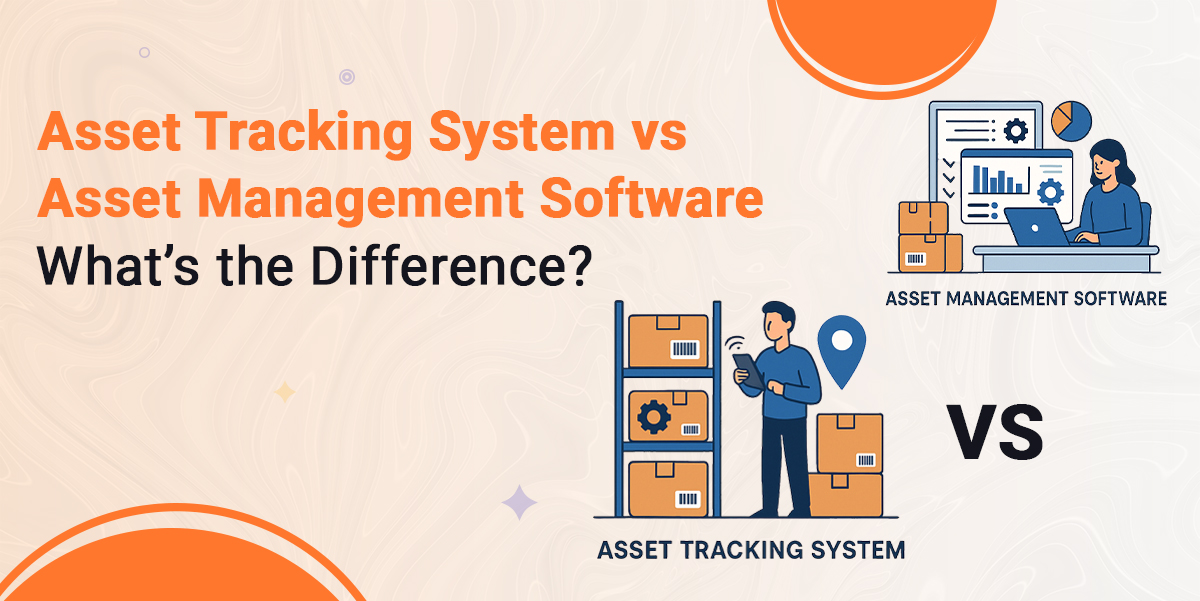
Finding the right way to handle your business assets starts with understanding that the difference between asset tracking and asset management is very important.
An asset tracking system is designed to show where your assets are, how they move, and who is using them, which helps to improve daily operations and prevent downtime.
But the Asset management software helps to manage the full lifecycle of assets from purchasing costs to deployment and performance of assets. When comparing an asset tracking system vs asset management software, it clearly defines when to choose which one based on several factors such as benefits, features and more.
See how Genic Assets locates equipment in seconds and keeps maintenance on schedule — book a free demo.
Table of Contents |
|
|
|---|
|
|
|
|
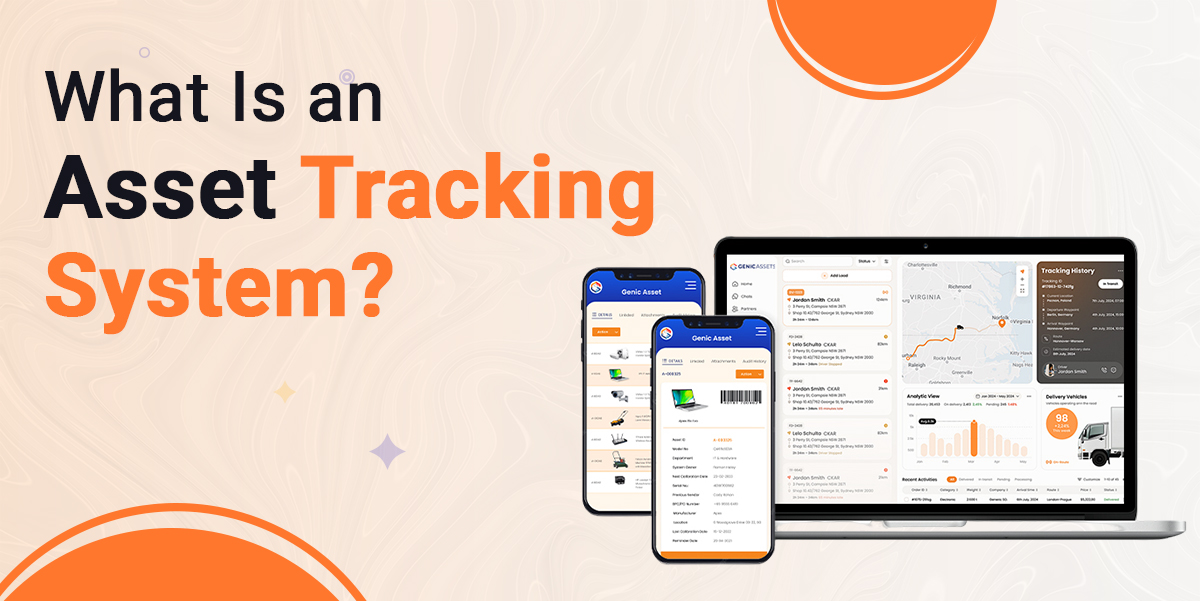
An asset tracking system is a solution that is designed to monitor the physical location, movement, and current status of an organisation’s important assets in real-time.
The main purpose of an asset tracking system is to focus on operational visibility, preventing loss, theft and ensuring assets are available when required.
An asset tracking system operates by using physical tracking technology, such as sensors, tags, with a centralised software platform to monitor the status, location and usage of assets. Let’s understand how the asset tracking system works:
Every asset receives a unique identifier and sensor-based tracking needs. Barcodes and QR codes require manual, line-of-sight scanning, RFID-powered automatic detection, and IoT sensors offer accurate indoor positioning.
Once assets are tagged, the system accumulates data whenever the tag or device interacts with the scanner or gateway. As Barcode and QR codes are scanned manually, RFID tags are detected automatically, and IoT sensors transmit updates manually. The step records movement, location and environment details that create a data foundation for centralised management.
After getting data, it is sent to a cloud-based platform that stores, processes and organises all asset information. The system updates locations in real-time, displays details through maps, dashboards, and provides a quick view across all sites. This platform supports accurate monitoring and prepares the system for in-depth analysis.
With centralised data, authorised users can monitor assets in real-time as they move or change status. These insights highlight the inefficiencies, risks, and behaviour trends which help the businesses to make better decisions, help to improve asset utilisation, prevent losses and reduce unnecessary purchases that make the entire asset tracking process more efficient, reliable and cost-effective.
Key features of the asset tracking system are focused on real-time visibility, automation, and more. Let’s explore the must-have features of it:
The system provides several significant benefits that help businesses improve their productivity and enhance their workforce. Let’s explore some benefits of it:
You should choose an asset tracking system when your primary business need is focused on the physical visibility, location management, and operational control of measurable results.
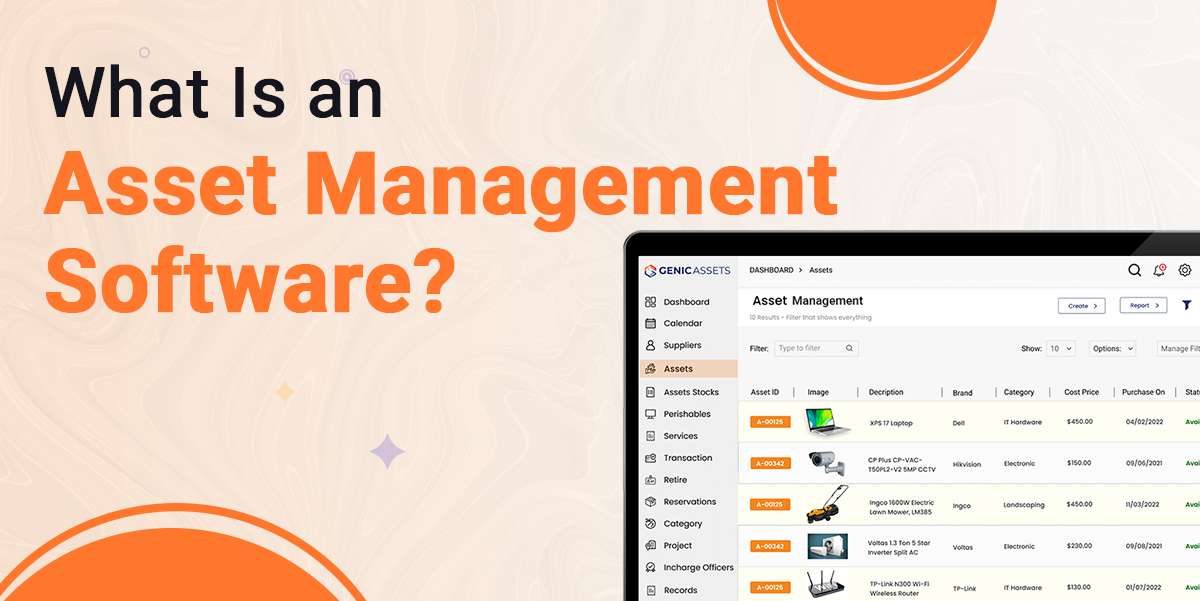
Asset Management Software is a comprehensive concept rather than asset tracking, which is designed to help organisations maximise the value, optimise the utilisation and manage the entire life cycle of assets from installation to disposal.
Unlike tracking, asset management is not just about where an asset but it’s about how it performs, how much it charges to maintain, and more. For any growing business, the software is the foundation for long-term efficiency and compliance.
An asset management software works by working as a centralised platform that gathers various data streams, like operational and technical, to have a quick view of every asset in organisations. Let’s understand how the system works:
The software begins by collecting data from various channels like financial, operational and maintenance logs, then creates a single and organised source of information. In this step, the system brings all data like asset location, purchase cost and warranties by ensuring all departments share information for smoother coordination.
Once the data is gathered, it is stored in a central asset register that manages the asset lifecycle from planning, purchasing, maintenance, to disposal. The software helps with monitoring service dates, scheduling maintenance and budgeting. It makes sure every asset is tracked throughout its life.
With all lifecycle data in one place, the system analyses trends based on operational and maintenance records to offer useful insights. It helps to find performance problems, identify unnecessary costs. This information helps organisations to make smarter decisions and improve performance while supporting automation.
Using the analytics from the above step, the system automates the routine tasks like maintenance alerts, compliance reports, and processes. The automation makes sure the tasks are completed quickly and accurately while reducing the dependency on manual work.
Asset Management Software (AMS) includes several features that make the software more reliable. Let’s explore Asset Management Software features:
Strategic Benefits of Asset Management Software that extend far beyond simple tracking by helping organisations to maximise the value, reduce risk, and more:
You should choose asset management software when you need more than tracking for strategic and lifecycle management of your assets. Let’s explore when to choose:
If you are looking for an effective asset management solution for better management, try Genic Assets Management Software Solutions!
Asset Tracking System vs Asset Management Software: Core Differences
Before picking the right asset management and tracking system, it’s important to understand the difference between tracking and management, as both solutions serve different needs and offer different levels of control.
| Category | Asset Tracking System | Asset Management Software |
|---|---|---|
| Primary Purpose | Focuses on tracking physical location, movement, and status of assets in real-time. | Focuses on managing the full lifecycle, performance, cost, and long-term value of assets. |
| Core Functionality | Provides visibility into where assets are and who is using them. | Provides insights into how assets perform, how much they cost, and how to maximise their ROI. |
| Data Focus | Mainly operational data: location, movement, usage, check-in/check-out. | Combines operational, financial, and maintenance data for a complete asset profile. |
| Technology Used | Uses barcodes, QR codes, RFID, GPS, BLE, and IoT sensors for tracking. | Uses finance systems, CMMS data, IoT sensors, performance metrics, and operational logs. |
| Depth of Insight | Offers real-time visibility and loss prevention. | Offers performance analytics, cost analysis, forecasting, and strategic decision support. |
| Maintenance Capabilities | Provides basic reminders based on usage or movement patterns. | Handles preventive and predictive maintenance with automated scheduling and analytics. |
| Lifecycle Coverage | Tracks assets mainly during use or movement. | Manages assets from planning and purchasing through deployment, maintenance, and disposal. |
| Automation Level | Sends alerts for movement, location, or basic maintenance events. | Automates maintenance workflows, compliance reporting, financial updates, and more. |
| Ideal Use Case | Best when the priority is knowing where assets are and preventing loss. | Best when the priority is improving how assets perform and reducing long-term costs. |
| Examples of Need | Tool tracking, equipment movement, site-to-site transfers, and field asset visibility. | Machinery lifecycle planning, budgeting replacements, and preventive maintenance scheduling. |
Overall, after understanding asset management and tracking, it is clear that there is a difference between an asset tracking system vs asset management software.
The asset tracking system is focused on monitoring physical location and movements of assets in real-time, while asset management works on full lifecycle performance and long-term values of assets. Both systems are used for different purposes based on the requirements and goals.
At Genic Assets, you get a complete solution that simplifies both asset tracking and asset management in one powerful platform.
Articles you might like
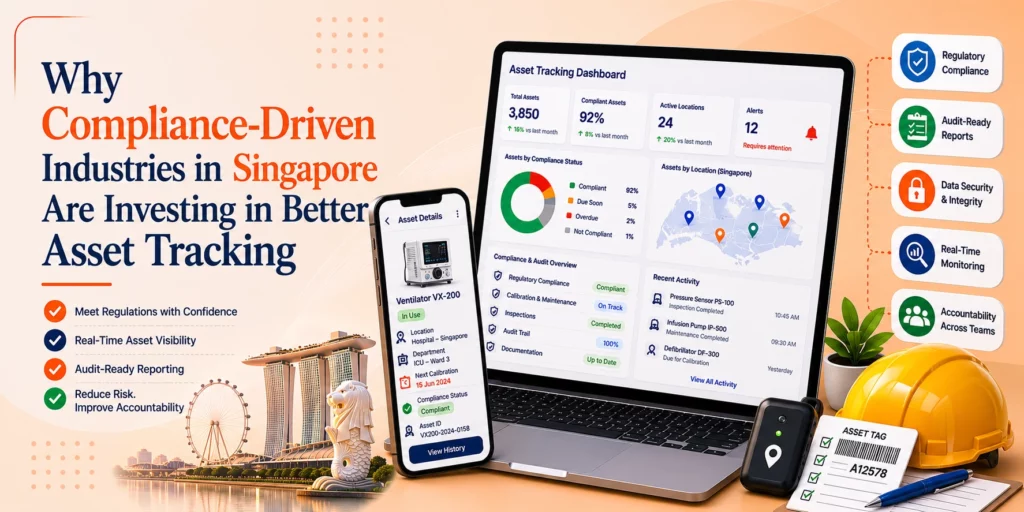
Genic Assets provide complete visibility, traceability, and accountability of your assets!
Get StartedAre you ready to switch from Excel and Spreadsheets to Cloud-based Asset Management Software? Get started with Genic Assets Management System!