Please don't fall for any job/grants/SaaS/Software related scams. For any query or concerns please reach to us directly at +65 6834 3026 or WhatsApp at +65-8910 8216
Please don't fall for any job/grants/SaaS/Software related scams. For any query or concerns please reach to us directly at +65 6834 3026 or WhatsApp at +65-8910 8216
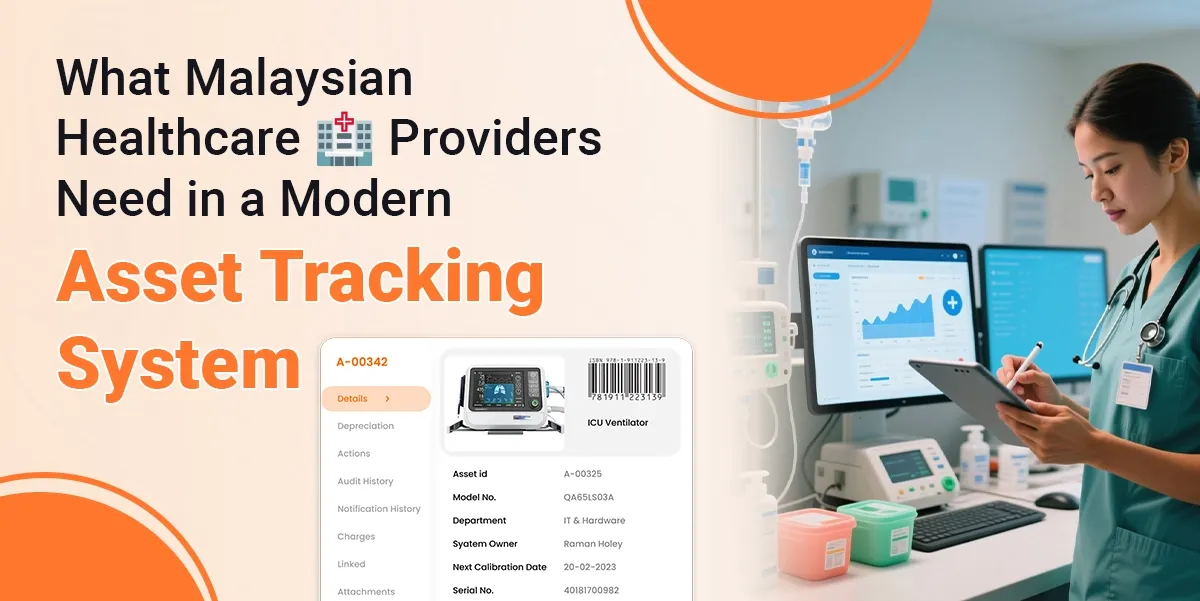
Healthcare in Malaysia is under steady pressure. Nowadays, hospitals face rising patient numbers, tighter budgets, and higher expectations for care. At the same time, medical equipment continues to grow in volume and complexity. From infusion pumps to wheelchairs, every asset must be available when needed.
This is where hospital asset management in Malaysia becomes critical. It is no longer enough to rely on manual logs or basic spreadsheets. Providers now need a smarter and more reliable way to track and manage their assets.
In this guide, we will explore what Malaysian healthcare providers truly need in a modern asset tracking system. We will look at practical requirements, common challenges, and the features that make a real difference on the ground.
See how Genic Assets locates equipment in seconds and keeps maintenance on schedule — book a free demo.
Malaysia’s healthcare system serves both public and private sectors, where public hospitals often deal with high patient loads. While private hospitals focus on quality and efficiency. In both cases, equipment must be used in the best way possible.
Without proper tracking:
This leads to higher costs and lower efficiency.
Malaysia is moving towards digital healthcare systems where many hospitals now use electronic records and connected devices. This shift increases the need for healthcare asset tracking in Malaysia that fits into a digital environment.
A modern system must not stand alone. It should work with existing hospital systems and support future growth.
Many hospitals still do not know where their equipment is at any moment. Staff may spend 10–20 minutes looking for a single device. In urgent cases, this delay affects patient care.
Some departments may have unused equipment while others face shortages. Without data, hospitals cannot balance this.
Manual tracking often leads to:
Medical equipment must meet strict safety standards. If maintenance is missed, it can lead to serious risks.
These challenges highlight the need for a better medical equipment tracking system.
A modern system is not just about location tracking. It should support daily hospital operations and long-term planning.
Staff need to find equipment fast. A system should show the exact location of assets within the hospital.
This is a basic requirement for a healthcare asset tracking system in Malaysia.
Hospitals maintain three distinct systems which allow them to handle patient records, billing, and facility maintenance tasks. The tracking system needs to establish links with these systems for operational support during regular business activities.
When systems work together, staff can access accurate information without switching between tools. The system achieves better operational performance through its built-in error prevention mechanisms.
The modern asset tracking system needs to establish connections with maintenance scheduling systems to achieve continuous equipment service updates. The system needs to establish operational links with inventory management systems for maintaining correct stock inventory numbers.
When integration is done well, hospitals can avoid data silos. The system creates an environment that enables organisations to achieve better workplace operations through improved teamwork and accelerated decision-making processes.
Hospital staff do not have time to deal with complex systems. Nurses and technicians need quick access to information during busy shifts. Staff members should be able to find their required items through simple system designs that deliver fast results.
A good interface includes clear dashboards that show key details at a glance. The asset status information needs to be straightforward because users require an unambiguous process for identifying their current state. Staff members need to find their equipment through search functions that deliver instant results.
Organisations need to track their hospital equipment, but they must also manage all other aspects of their equipment administration. Hospitals need to handle all phases of asset management, which start with acquisition and end when assets reach the point of replacement. The system operates to maintain equipment reliability while it protects user safety and keeps maintenance expenses at a reasonable level.
A contemporary system needs to handle all operational phases, which include procurement operations, daily operational needs, maintenance support, and equipment disposal processes. The system should maintain detailed records that enable staff members to track asset performance trends throughout their operational life span.
Hospitals that handle their entire operational cycle will achieve better scheduling results, which reduces their operational interruptions and prevents unexpected breakdowns.
Regular maintenance keeps medical equipment safe and reliable. Without proper service, devices can fail at critical moments and affect patient care. Hospitals need a system that helps prevent these issues before they occur.
A modern tracking system should send alerts for scheduled maintenance so that no service is missed. It should keep a clear record of service history, making it easy to review past work. The system should also flag overdue inspections so that staff can take action without delay.
These features help hospitals stay organised and reduce the risk of equipment failure. They also support medical equipment tracking best practices in Malaysia, ensuring that safety and compliance standards are met.
Hospitals expand their facilities throughout their operational existence. The establishment of new departments and the construction of new buildings, along with equipment expansion, creates rising operational complexity. The system, which functions properly at present, needs to manage upcoming requirements through basic adjustments that will become standard practice.
A modern asset tracking system should handle a growing number of assets with ease. The system needs to operate multiple locations because hospitals and clinics need to handle their equipment through a single monitoring system.
A system that includes scalability at its initial design stage will continue to function properly throughout its entire operational period.
Read Also: How Malaysian Facility Teams Are Improving Asset Visibility Without Increasing Costs
Malaysia has strict healthcare regulations. Equipment must meet safety and quality standards. A tracking system should:
This is a core part of the healthcare asset tracking system requirements in Malaysia.
Budget constraints are real, especially in public hospitals where a system must deliver value.
This makes hospital asset management in Malaysia more sustainable.
Many healthcare providers manage several locations. Equipment may move between hospitals or clinics.
A good system should:
This is vital for large healthcare groups.
Malaysia has a mix of urban and rural healthcare settings, so systems must work in different environments.
A flexible system performs better in these varied conditions.
Organisations must track every piece of equipment that they operate. So, organisations must start their operations by tracking vital equipment that costs the most and creates the largest operational impact. Medical facilities need to operate three main equipment types, which consist of ventilators, imaging devices, and infusion pumps.
Hospitals start their asset management process with these specific assets because they deliver fast results, which create a strong foundation for future growth. Malaysia operates its medical equipment tracking system through this method, which follows standard best practices.
System failure occurs because staff members handle the system incorrectly during their operations. The path to achievement requires organisations to establish proper training systems.
Staff members need to understand the process of asset identification, tracking, maintenance, and problem reporting. People who understand the system will create better adoption rates throughout different teams, which will lead to improved daily work performance.
Organisations need to go past their basic data collection stage. Hospitals need to use this data to improve their processes. Staff members can identify equipment underutilisation through their analysis of equipment usage patterns, which also shows delay points and necessary modifications.
Organisations need to track their assets because this system allows them to access improved strategic options for making decisions.
Modern systems operate at a level that extends their capabilities past basic position monitoring. The systems enable hospitals to perform intelligent system management through their equipment monitoring functions.
These systems send alerts when equipment moves, and they analyse how equipment gets used and assist with maintenance scheduling.
Asset tracking systems enable functions that extend beyond equipment management operations. The system connects medical equipment to patient care practices through its operational framework.
Medical staff can deliver healthcare services more quickly through the system, which provides straightforward access to ready-to-use equipment. The system solves two problems because it reduces customer wait times while ensuring all service tools remain available.
You should select your system based on essential requirements instead of following current market trends.
Your hospital requires solutions that address its vital needs. Start by identifying the problems you want to solve, the type of assets that need tracking, and how staff will use the system in daily work.
A rigid system can create challenges over time. The system needs to adjust its functionality when hospitals experience modifications in their operational requirements. A flexible approach ensures that the system continues to support operations as needs grow.
A system should be simple and easy to use. The staff will start using the system when they understand its essential features during their first learning period.
The system achieves better results through higher adoption, which also improves its overall operational efficiency.
The future of hospital asset management in Malaysia lies in smarter and more connected systems.
Hospitals will move towards:
Asset tracking will play a central role in this transformation.
If you are looking for an effective asset management solution for better management, try Genic Assets Management Software Solutions!
Healthcare providers in Malaysia face real challenges in managing their assets. Manual processes and outdated systems no longer meet current needs.
A modern medical equipment tracking system offers a clear path forward. It improves visibility, reduces costs, and supports better patient care.
To succeed, hospitals must focus on:
By following these principles and adopting medical equipment tracking best practices in Malaysia, healthcare providers can build a more efficient and reliable system. In the end, better asset management leads to better care. And that is what matters most.
Articles you might like



Genic Assets provide complete visibility, traceability, and accountability of your assets!
Get StartedAre you ready to switch from Excel and Spreadsheets to Cloud-based Asset Management Software? Get started with Genic Assets Management System!