Please don't fall for any job/grants/SaaS/Software related scams. For any query or concerns please reach to us directly at +65 6834 3026 or WhatsApp at +65-8910 8216
Please don't fall for any job/grants/SaaS/Software related scams. For any query or concerns please reach to us directly at +65 6834 3026 or WhatsApp at +65-8910 8216
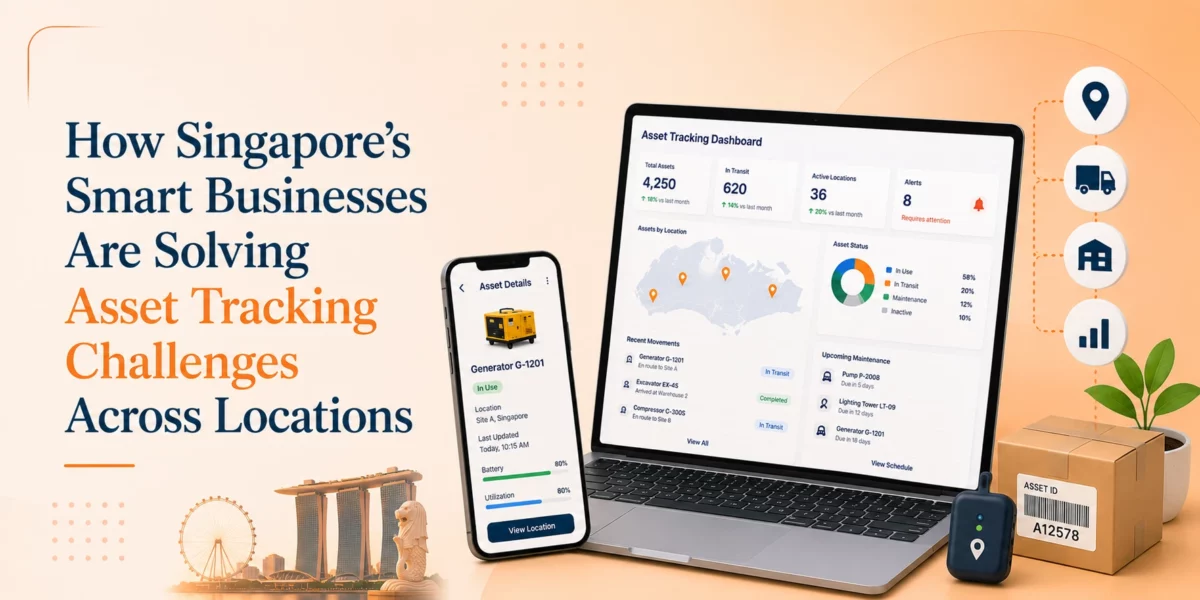
Singapore businesses overcome asset tracking challenges across multiple locations by using an asset tracking system in Singapore, maintaining accurate records, monitoring asset movement, and following structured asset management processes. These practices help organisations improve visibility, reduce asset losses, increase operational efficiency, and maintain better control as their operations grow across different sites.
Tools, equipment, vehicles, inventory, and other valuable assets travel between locations every day. Without a clear way to track them, businesses can lose sight of where assets are, who uses them, and when they need servicing.
That is why many organisations now use an asset tracking system to gain better visibility and control. With stronger tracking practices, businesses can spot assets quickly, reduce losses, and keep operations running smoothly.
In this guide, we will look at the common challenges businesses face when managing assets across multiple locations and how smart companies solve these problems.
See how Genic Assets locates equipment in seconds and keeps maintenance on schedule — book a free demo.
Assets help businesses complete daily work. Employees rely on them to perform tasks, serve customers, and keep operations moving.
When assets sit across different sites, businesses often face several challenges, such as:
These issues can slow work and increase costs.
A reliable asset tracking system in Singapore helps businesses keep accurate records and maintain control as they expand into new locations.
The biggest challenges include asset movement, shared equipment, poor visibility, and errors caused by manual record-keeping. Let’s explore more about it below:
Assets rarely stay in one place for long. For example:
When businesses fail to record these movements, they can quickly lose track of important assets.
Many departments rely on the same equipment. One team may use an asset today, while another team may need it tomorrow. If nobody updates the records, employees may waste time searching for equipment that already exists elsewhere.
This situation creates delays and frustration.
Spreadsheets depend on people updating information correctly.
Errors can appear when employees:
Small mistakes can pile up over time and create larger problems.
For this reason, many businesses now choose a multi-location asset tracking system in Singapore to keep information accurate and easy to access.
Successful companies in Singapore approach asset management with clear strategies and consistent processes. They focus on visibility, responsibility, and control. Let’s find out how to resolve these challenges:
Smart businesses begin by creating a complete record of every asset.
Each asset should include:
A centralized asset tracking software in Singapore approach helps all locations work from the same information.
This setup reduces confusion and keeps records aligned.
Businesses strengthen control when they record every asset transfer.
Whenever equipment moves from one site to another, employees should update the records immediately.
This process creates a clear history of asset movement and improves accountability.
A strong strategy of multi-location asset tracking in Singapore allows managers to follow assets as they travel between locations.
Businesses can reduce losses when they assign responsibility for assets.
Employees take greater care of equipment when they know the system records its usage and location. Clear ownership also makes audits easier to complete.
Leading organisations establish the same asset management process across every site.
These procedures often cover:
When every location follows the same rules, businesses maintain better accuracy and consistency.
Modern businesses need current information to make good decisions. Old or incomplete data can create delays and mistakes.
When managers can view asset information instantly, they can respond more quickly to operational needs.
They can:
That is why many businesses now include real-time asset tracking in Singapore in their asset management strategy.
Real-time visibility helps businesses understand:
This information helps managers plan resources more effectively.
Businesses can spot potential issues earlier when they monitor asset conditions closely. Early action helps prevent interruptions and keeps operations moving.
Many business leaders would like to learn how to manage assets across multiple sites in Singapore without creating additional complexity.
The answer to this question is best found in the implementation of a clear and organised approach to asset management.
The business must maintain a complete and accurate record of all assets. Good records of assets establish the foundations of successful asset management.
The assets of the business should be audited on a regular basis. Regular audits can help to determine the locations and conditions of the assets.
There should be a clear process for employees to follow whenever assets are transferred from one location to another. These asset transfer rules will help the business maintain visibility into the assets.
The business should monitor the performance of the assets over time. This monitoring will provide the necessary information for managers to make decisions regarding the maintenance or replacement of assets.
Employees are an essential part of asset tracking. By training employees on asset management procedures, the business can ensure that the assets are properly managed and controlled.
Also Read: Asset Tracking System vs Asset Management Software: What’s the Difference
Businesses can expect to experience a variety of benefits as they implement and strengthen their asset tracking systems across multiple locations.
Employees no longer have to spend as much time searching for the assets they require to complete their tasks.
This time saved can be spent on other, more productive tasks. Furthermore, tasks can be completed at a faster rate.
With clear visibility into all the assets that the business owns, companies can more easily locate and track the assets that they have in their possession.
This reduces the chances of assets being misplaced or lost.
By knowing exactly what assets the business owns and their condition, businesses will have less of a need to purchase additional assets.
Additionally, managers can better utilise the assets that the business owns, thus reducing costs.
Many industries require businesses to maintain records of their assets for compliance purposes.
By using asset tracking systems, businesses can easily maintain these records and meet compliance requirements.
As a business grows, it will become more difficult to keep track of its assets.
However, by implementing multi-location asset tracking systems in Singapore, businesses can easily expand and open new locations or teams with confidence in their asset management.
Numerous industries in Singapore depend on asset management to carry out their daily operations.
Logistics companies manage assets in warehouses, distribution centres, and delivery routes. By having visibility into their assets, they can improve their efficiency and minimise delays in the delivery of their products.
Construction companies manage assets that are moved between various construction sites each day. Asset tracking allows them to locate their equipment easily and increase their utilisation of these assets.
Hospitals and clinics manage medical equipment that is essential to providing quality care for their patients. By tracking these medical assets, they can easily locate the equipment and ensure that it is available whenever it is needed.
Manufacturing companies operate in various locations and manage assets that are essential for the production of their products. Having visibility into these assets allows them to plan for maintenance and improve the efficiency of their operations.
Field service companies manage assets that are used by their technicians who work at the customers’ locations across Singapore every day. By tracking these assets, they can ensure that their technicians have easy access to the equipment they need to perform their services.
If you are looking for an effective asset management solution for better management, try Genic Assets Management Software Solutions!
Managing assets across multiple locations presents many challenges. Assets move frequently, teams share equipment, and manual records can create errors.
Without a clear process, businesses can lose visibility, increase costs, and reduce productivity.
Smart businesses in Singapore address these challenges through organised asset management practices, accurate records, clear procedures, and stronger visibility across locations. They create central records, track asset movement carefully, and maintain accountability throughout the organisation.
A well-planned asset tracking system in Singapore helps businesses locate assets quickly, improve efficiency, and reduce unnecessary costs. At the same time, a reliable multi-location asset tracking system in Singapore allows organisations to maintain control as operations expand across multiple sites.
As businesses continue to grow, effective asset tracking will remain an important part of operational success. Companies that strengthen visibility, improve accountability, and manage resources effectively will place themselves in a stronger position to support future growth and long-term performance.
Articles you might like
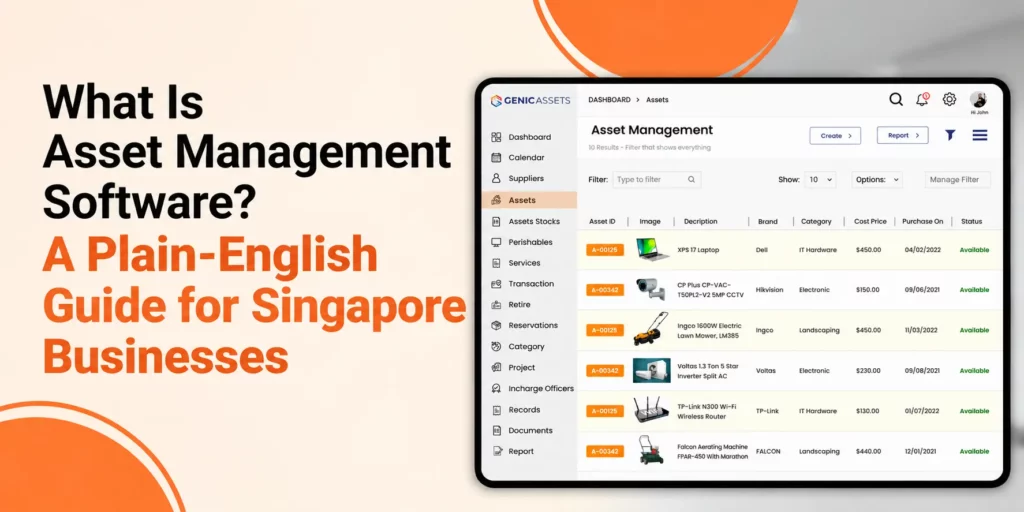

Genic Assets provide complete visibility, traceability, and accountability of your assets!
Get StartedAre you ready to switch from Excel and Spreadsheets to Cloud-based Asset Management Software? Get started with Genic Assets Management System!