Please don't fall for any job/grants/SaaS/Software related scams. For any query or concerns please reach to us directly at +65 6834 3026 or WhatsApp at +65-8910 8216
Please don't fall for any job/grants/SaaS/Software related scams. For any query or concerns please reach to us directly at +65 6834 3026 or WhatsApp at +65-8910 8216
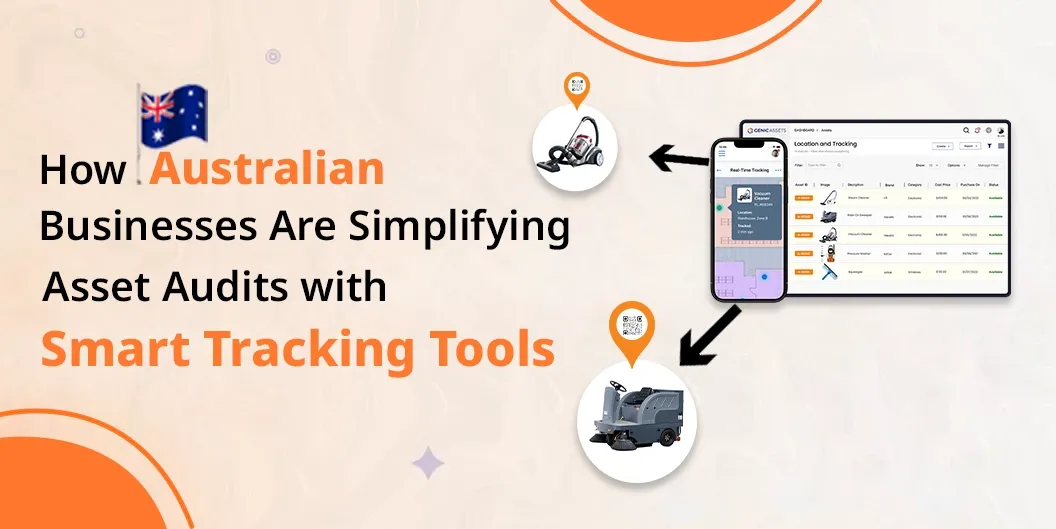
Australian businesses are simplifying asset audits by using asset audit software in Australia along with smart tracking tools that provide real-time visibility, automated workflows, and centralised data management. This shift reduces errors, saves time, and improves compliance, making audits faster and more reliable.
Asset audits used to be slow, manual, and full of gaps. That’s why teams relied on spreadsheets, paper logs, and memory. But time has changed fast.
Across the country, companies are turning to asset audit software and modern tracking tools to simplify how they manage and verify assets. These tools do more than track items. As they reshape how audits work from start to finish.
In this guide, you will learn how Australian businesses are making asset audits simpler, faster, and more reliable with smart systems.
See how Genic Assets locates equipment in seconds and keeps maintenance on schedule — book a free demo.
Asset audits matter more than ever because businesses rely on accurate asset data to control costs, meet compliance requirements, and reduce risk. Without clear visibility, assets can be lost, underused, or misreported, which affects both operations and financial health.
Every business owns assets. These include:
Each item has value, but it also carries risk.
If assets go missing, sit unused, or fail without warning, the cost adds up. Poor records can also lead to:
An audit helps confirm that all assets are present, working, and recorded correctly. But traditional audits create problems.
The traditional approach to asset auditing presents multiple difficulties because it depends on manual workflows, which create slow operations and produce frequent mistakes while preventing instant data monitoring.
Organisations encounter two major obstacles because they lack proper documentation systems, which prevent them from preserving accurate records, and they experience difficulties when they need to resolve problems quickly. We need to study additional obstacles that exist in the present situation.
Manual entry leads to mistakes, numbers get mixed up, and items are missed.
Audits can take days; that’s why big businesses may need weeks.
By the time data is reviewed, it may already be wrong.
Multi-site businesses struggle to track assets in different regions.
These problems explain why many firms now invest in an asset tracking and audit system in Australia.
Not all systems deliver the same value. A smart asset audit system brings together a set of core features that improve visibility, accuracy, and control.
These features work as one system rather than separate tools, which helps teams manage assets with less effort and fewer errors.
Real-time tracking allows businesses to follow assets as they move between locations. Teams no longer need to wait for updates or run manual checks to confirm where an item is.
Instead, they can see the current location at any moment, which improves decision-making and reduces the risk of loss or misuse.
A smart system creates a digital profile for every asset. This profile holds key details such as location, current status, usage history, and maintenance records.
Having all this information in one place makes it easier to review asset performance over time and supports accurate reporting during audits.
Staff members can update asset information via mobile access while working in field locations. The team members perform item scanning through their mobile phones and handheld devices, which helps them find locations and record updates immediately.
The system operates without data entry, which keeps all records up to date and free from errors.
The automated alert system enables teams to detect problems through its warning system, which avoids human monitoring needs. The system produces alerts that show when assets become unavailable while tracking maintenance needs and detecting unusual movement patterns.
The alert system enables businesses to detect problems at an early stage before these problems develop into major operational disruptions.
A central dashboard brings all asset data into one clear view. The system allows managers to monitor operations and track audit development while they produce reports through a single interface, which eliminates their need to move between different platforms.
The system provides businesses with complete visibility, which enables them to control their assets between different organisational units and various operational sites.
The software contains all the necessary elements that enable Australian businesses to track their assets while following audit requirements. The asset management software in Australia enables businesses to achieve better record accuracy while they fulfill their compliance requirements.
Let’s look at how companies are applying these tools in real settings and how each step helps reduce effort while improving accuracy.
Organisations start by changing their documentation system from paper-based logs to digital recordkeeping systems.
The transition solves multiple problems that arise from performing work manually because it eliminates data input mistakes and file misplacement and reduces the time needed for administrative duties.
The asset audit software in Australia centralises all asset information into a single system, which enables users to access, modify and view data without needing to browse through individual folders and spreadsheet documents.
Organisations can show their commitment through basic yet effective changes which include implementing scannable tags that consist of QR codes, barcodes and RFID labels. The system tracks every asset through tags, which auditors can scan with their mobile devices during their inspection process.
The scanning process triggers an immediate system update, which automatically refreshes the information base. The system creates instant results that help auditors finish their work faster. The system provides instant results, which reduces the time needed to finish audits.
The process, which used to take multiple days, now takes only several hours to complete, which shows how to make asset audits in Australia more efficient through practical methods.
Automation plays a central role in modern asset audits. With asset audit process automation in Australia, systems can plan audit schedules, assign tasks to staff, and track progress in real time.
Teams no longer need to follow up on updates or manage audit steps by hand. The process follows a set workflow, which keeps everything organised and consistent.
Smart systems record changes as they happen. When an asset moves or is used, the update is logged straight away. This reduces gaps in records and helps maintain accurate data at all times.
Businesses that use an asset tracking and audit system in Australia can rely on their data during audits, which leads to better reporting and fewer discrepancies.
For businesses that operate across multiple locations, asset tracking used to be a challenge. Modern systems solve this by bringing all data into one platform.
Teams can view assets across sites, run audits from a central location, and compare data between branches. This creates a more consistent approach and gives managers better control over their assets.
Companies must conduct asset audits because they need to follow all necessary regulatory requirements. Businesses across various sectors need to keep thorough documentation that proves their asset ownership and shows complete maintenance records and inspection data.
Smart systems store all of this information in one place, which makes it easier to prepare for checks and inspections. Australian businesses now have better access to audit compliance through an asset tracking system, which decreases their operational work requirements.
Smart asset audit systems offer clear benefits by improving speed, accuracy, cost control, and overall visibility.
They help businesses move away from manual processes and manage assets in a more efficient and reliable way. Let’s find the benefits in more depth:
Smart systems speed up the audit process by replacing manual checks with quick scanning methods.
Teams can verify assets in a fraction of the time it once took, which reduces delays and keeps operations running without long interruptions.
Accuracy improves as systems update data in real time. Each scan or movement is recorded at once, which lowers the chance of human error.
This keeps records consistent and ensures that audit results reflect the true state of assets.
Reducing the time spent on audits leads to lower labour costs. At the same time, better tracking helps prevent asset loss and misuse. Over time, this creates direct savings and improves overall cost control.
Clear and well-organised records make it easier to meet compliance requirements.
Businesses can provide proof of asset ownership, usage, and maintenance without delay, which supports smooth audits and inspections.
Access to accurate data helps businesses understand how assets are used. This insight makes it easier to spot idle or underused items, reduce waste, and plan future needs with more confidence.
Industries across Australia are leading the shift towards smarter asset audits by adopting systems that improve visibility, control, and efficiency.
Each sector applies these tools in ways that match its daily operations and asset needs. The sectors are:
Sites have many tools and machines.
Tracking helps prevent loss and manage usage.
Hospitals track equipment to ensure availability and safety.
Firms track vehicles and containers across long distances.
Schools and universities manage large volumes of IT equipment.
Each of these sectors benefits from asset audit software in Australia in different ways.
If your business wants to improve its audit process, then you need to follow a clear and structured approach. Each step builds on the last and supports a smoother, more reliable system.
To begin, start by looking at how your audits are carried out today. This means checking each stage of the process and identifying where problems occur. Common issues include delays in completing audits, errors in data entry, and gaps in records.
A clear review helps you understand what needs to change and where improvements will have the most impact.
Next, once you understand your current gaps, the next step is to select a tracking method that suits your business needs.
Some businesses may prefer QR codes for their ease of use, while others may need RFID for handling large volumes of assets or GPS for tracking items that move across long distances.
Choosing the right method ensures the system fits your operations rather than adding extra complexity.
After that, focus on creating a consistent labelling system because consistency is key when managing assets at scale. All assets should follow the same tagging and labelling system so that data remains clear and organised.
Standardisation makes it easier to scan, track, and report on assets without confusion or duplication.
At this stage, it is important to ensure your team is fully prepared. The system reaches its highest operational potential when human users actively participate in its execution. Therefore, Staff need to understand how to scan assets, update records, and follow the audit process correctly.
In addition, the training program should present employees with basic operational methods that they can use during their usual work activities to achieve better system adoption and reduce operational mistakes.
The final stage of asset tracking requires organisations to keep their operations running until they achieve their operational goals. Organisations need to turn their collected data into operational improvements because their asset tracking activities must continue past the initial stage.
Organisations can analyse this data to reduce idle assets, plan maintenance more effectively, and make better purchasing decisions. The system produces better operational efficiency together with optimised resource distribution through its operational functions.
The system enables Australian companies to replace their current manual audit process with an automated system that operates more efficiently.
If you are looking for an effective asset management solution for better management, try Genic Assets Management Software Solutions!
Overall, Asset audits no longer need to be slow or stressful. With the right tools, businesses can turn audits into a smooth and reliable process. Smart tracking systems bring:
Whether you run a small team or a large operation, the shift to asset audit software in Australia can deliver clear value.
The key is to start simple, stay consistent, and use the data to guide decisions, which is how modern businesses are reshaping asset audits across Australia.
Articles you might like


Genic Assets provide complete visibility, traceability, and accountability of your assets!
Get StartedAre you ready to switch from Excel and Spreadsheets to Cloud-based Asset Management Software? Get started with Genic Assets Management System!