Please don't fall for any job/grants/SaaS/Software related scams. For any query or concerns please reach to us directly at +65 6834 3026 or WhatsApp at +65-8910 8216
Please don't fall for any job/grants/SaaS/Software related scams. For any query or concerns please reach to us directly at +65 6834 3026 or WhatsApp at +65-8910 8216
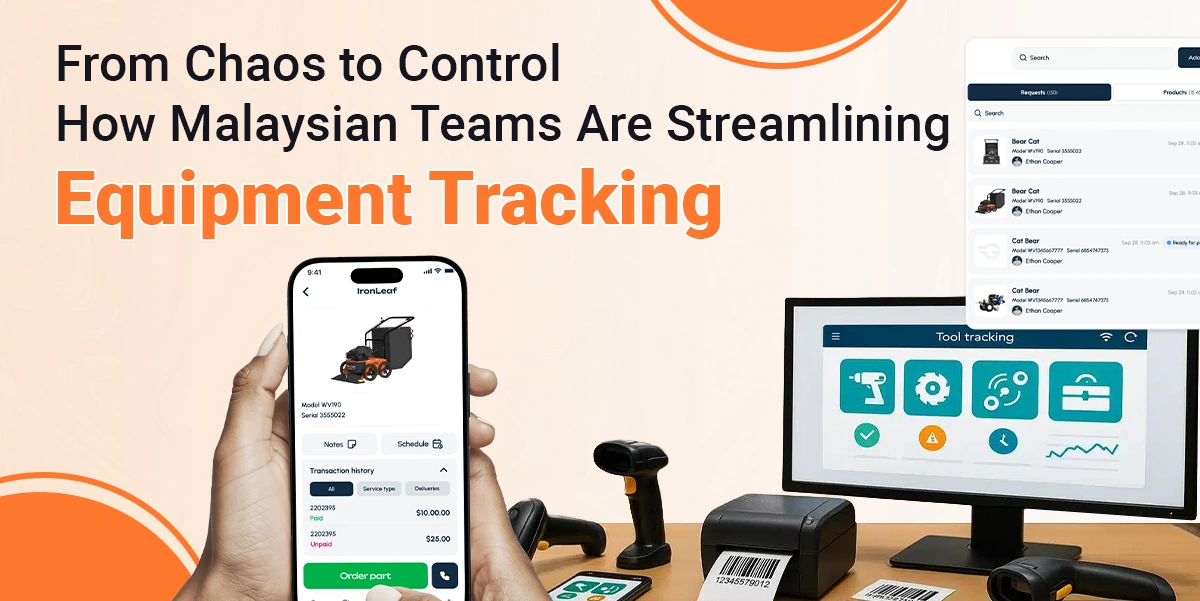
Malaysian teams streamline equipment tracking by adopting digital equipment tracking software that provides real-time visibility, accurate records, and standardised processes. This helps reduce asset loss, improve operational efficiency, and support better asset lifecycle management across industries.
The shift is now clear because businesses are moving towards equipment tracking software in Malaysia to bring order to daily operations. With the right approach, teams gain control, reduce loss, and improve how they manage assets.
This blog explains how to streamline equipment tracking in Malaysia, why it matters, and how it connects with asset lifecycle management in Malaysia.
See how Genic Assets locates equipment in seconds and keeps maintenance on schedule — book a free demo.
Equipment tracking challenges arise when organisations lack structured systems to monitor the location, status, and usage of assets, leading to inefficiencies, delays, and increased operational costs. Let’s explore different challenges in a more in-depth manner:
Manual processes create gaps in equipment tracking because they rely on paper logs and spreadsheets that are prone to human error and delayed updates.
As operations become more complex, these methods fail to maintain accurate and consistent records. This results in incomplete data, outdated information, and reduced control over assets.
Lack of visibility in equipment tracking makes it difficult to identify asset location, availability, and usage in real time.
Without clear insight, teams experience delays, miscommunication, and reduced efficiency as employees spend time searching for equipment instead of performing their tasks.
Poor equipment tracking increases operational costs due to asset loss, misplacement, and unplanned replacements.
Organisations may need to purchase new equipment or rely on short-term rentals, leading to higher expenses, downtime, and project delays.
Malaysian businesses are now adopting structured systems. The goal is simple: to know what you have, where it is, and how it is used. This is where equipment tracking software for operations in Malaysia becomes essential.
Equipment tracking software in Malaysia helps businesses monitor and manage tools, machines, and assets in real time. It replaces guesswork with clear data.
Key functions
A strong asset tracking system usually includes:
These features give teams a single source of truth.
Equipment tracking in Malaysia is sped up through digital systems and structured processes that improve asset visibility and control. This includes creating asset registers, enabling real-time tracking, replacing manual logs, standardising workflows, integrating maintenance, and training staff to ensure accurate data, reduced losses, and efficient operations.
The first step is to build a complete asset register that lists all equipment, including tools, machines, vehicles, and IT assets.
Each item should have a unique identifier to ensure accurate tracking and form the foundation of an effective asset management system in Malaysia.
Manual records often lead to delays and errors, which affect operational efficiency. By adopting equipment tracking software for operations in Malaysia, teams can update data in real time, record asset movement instantly, and access accurate information from any location when needed.
Organisations must create consistent procedures for managing equipment across all teams to avoid confusion.
Clear guidelines on check-in, check-out, ownership, and data updates ensure accountability and accuracy, helping teams work more efficiently within a structured and reliable tracking framework.
Real-time tracking provides immediate visibility into equipment location and status, allowing faster and more informed decisions.
It reduces time spent searching for assets, improves coordination, and supports better planning, making it a key factor in how to streamline equipment tracking in Malaysia.
Equipment tracking should be integrated with maintenance planning to ensure assets remain reliable.
An asset lifecycle management system in Malaysia enables scheduled servicing, reduces unexpected breakdowns, and helps extend asset lifespan, ensuring better performance and long-term value from organisational investments.
Effective implementation depends on proper staff training and consistent system use. Employees must understand processes, follow tracking procedures daily, and maintain accurate records.
This ensures the system functions as intended and supports long-term improvements in efficiency, accountability, and operational control.
Malaysian teams improved equipment tracking by moving from manual, reactive processes to structured systems with real-time visibility and control over assets.
Before organisations implemented their structured tracking systems, Malaysian teams operated without any visibility into their equipment assets. The records contained missing information, which remained outdated because the manual tracking system, using spreadsheets and paper logs failed to handle daily operational requirements.
Staff members based their asset search on assumptions, which resulted in multiple delays that disrupted team operations.
The absence of clear instructions made employees work in a chaotic, emergency-based system. Teams needed to spend their time finding equipment and verification processes, and fixing preventable problems that stopped them from doing their essential work.
The company experienced a drop in productivity, which led to operational efficiency becoming less effective.
Organisations in Malaysia achieve better operational control through their implementation of structured processes and equipment tracking software systems. Teams can track their assets at all times because they see their exact locations, operating status, and stock levels.
The change brought better responsibility management because people now perform fewer tasks by hand.
The system provides support for asset lifecycle management in Malaysia, which helps organisations create better plans, perform maintenance on time, and achieve better asset performance.
The Malaysian teams moved their operations from being reactive to developing an organised system that operates at higher efficiency levels with better control.
Also Read: Importance of Equipment Asset Management Software
Asset lifecycle management in Malaysia ensures that assets are effectively managed from acquisition to replacement, improving control, performance, and long-term value.
Asset lifecycle management in Malaysia refers to the structured approach of managing an asset throughout its entire lifespan. This includes the stages of purchase, daily use, ongoing maintenance, and eventual replacement.
It ensures that assets are monitored and managed at every phase, rather than focusing only on tracking. In this context, tracking becomes just one part of a broader and more strategic management process.
When equipment tracking is aligned with asset lifecycle management in Malaysia, organisations gain better control over their operations. This approach supports more accurate budgeting, reduces unnecessary waste, and improves overall asset performance.
A well-defined asset lifecycle management system in Malaysia allows teams to shift from reactive decision-making to a more planned and structured way of managing assets, leading to greater efficiency and long-term value.
The key benefits of streamlined equipment tracking include improved visibility, reduced asset loss, increased productivity, lower costs, and more accurate decision-making.
Streamlined tracking provides teams with a clear view of all assets, including what equipment is available, where it is located, and how it is being used.
This level of visibility improves coordination, reduces uncertainty, and strengthens overall operational control across the organisation.
Organisations can achieve better asset protection through their ability to track every single asset because this strategy helps them defend against theft and loss risks.
The system, which tracks assets, provides accountability through its ability to document all movement activities and operational usage, which enables users to assign items while tracking their location for easy retrieval.
The system enables staff members to stop searching for equipment because it shows the correct equipment location information.
The system enables staff members to stay focused on their essential duties because it helps them finish their work better, which leads to enhanced productivity and improved daily operational performance.
Organisations can decrease their operational costs through effective tracking systems, which protect their equipment from theft and duplication and help them maintain operational continuity.
Businesses achieve better purchasing decisions and asset management through their enhanced ability to monitor operations and their expanded operational control.
Managers obtain precise current data, which enables them to base their choices on facts instead of making decisions based on guesses.
The system enables users to track asset operations while creating investment strategies and optimising their operational processes for improved business efficiency and strategic asset administration.
Read Also: Asset Tracking System vs Asset Management Software: What’s the Difference
Industries such as construction, manufacturing, logistics, and healthcare are leading equipment tracking adoption in Malaysia due to their need for real-time visibility, operational efficiency, and better asset control.
Construction sites maintain a high level of activity because their equipment moves between different construction areas and ongoing building projects.
The system operates under difficult conditions because it lacks complete visibility and proper control mechanisms.
The asset management system in Malaysia helps teams monitor their tools between different sites, preventing theft, and they obtain mandatory access to their equipment.
The production process requires machines to operate at consistent levels because any fluctuation will lead to production delays.
Equipment tracking systems enable organisations to monitor their equipment usage patterns, which helps them find operational problems that affect performance and schedule maintenance activities.
The system operates at the same level as Malaysia’s asset lifecycle management system because it maintains full operational control of machinery throughout its operational lifespan.
The logistics industry needs fast operations together with precise work to achieve its daily business requirements.
Organisations can track their equipment in real-time, which lets them check their equipment status while following its path to achieve proper resource allocation at suitable times.
The system enables better supply chain management because it unites operations, which leads to operational efficiency and decreased wait times.
Healthcare facilities need to obtain their essential equipment right away to provide proper patient care.
Staff members can find their devices promptly through an operational asset tracking system, which keeps their equipment operational while delivering essential resources for continuous service improvement and operational efficiency.
Also Read: What Malaysian Healthcare Providers Need in a Modern Asset Tracking System
If you are looking for an effective asset management solution for better management, try Genic Assets Management Software Solutions!
Overall, Organisations must implement equipment tracking because it functions as an essential operational requirement for current business activities. The use of manual methods by organisations will produce continuous delays, along with operational inefficiencies and lost assets. Organisations that develop organised systems will obtain better operational management, together with enhanced business results.
Businesses need to understand basic principles for equipment tracking optimisation in Malaysia because they must keep their assets visible while tracking them properly and controlling every phase of asset management. Malaysian teams will achieve operational clarity through their established framework, which leads them to create systems that function with high efficiency, strong reliability, and proper management.
The digital system of equipment tracking software enables users to track their tools and asset locations while monitoring their operational status and usage patterns at any given moment.
The system helps businesses lower their equipment theft risks while they can boost their operational performance and keep a better track of their assets throughout various business sectors.
The organizations track their assets through digital systems while they conduct process standardization and combine tracking activities with an asset management system for their complete lifecycle.
The system provides better operational monitoring, which helps organizations achieve reduced operational delays and fast data-based decision-making abilities.
Real-time tracking systems provide three main advantages, which enable organizations to monitor their equipment better, reduce maintenance expenses, and improve their operational output.
Articles you might like


Genic Assets provide complete visibility, traceability, and accountability of your assets!
Get StartedAre you ready to switch from Excel and Spreadsheets to Cloud-based Asset Management Software? Get started with Genic Assets Management System!