Please don't fall for any job/grants/SaaS/Software related scams. For any query or concerns please reach to us directly at +65 6834 3026 or WhatsApp at +65-8910 8216
Please don't fall for any job/grants/SaaS/Software related scams. For any query or concerns please reach to us directly at +65 6834 3026 or WhatsApp at +65-8910 8216
The management of assets has evolved since businesses used to rely on paper logs, hand checks, and reactive fixes. Following a breakdown, the teams usually repaired issues. The technique led to higher expenses, delays, and loss of output.
Nowadays, organisations are searching for more control these days. They would like to know where the assets are, the way they operate, and when they require repairs. This is where AI in asset management systems has transformed the asset management business.
With it, companies can monitor equipment in real time by utilising sensors as well as intelligent monitoring, and plan maintenance much more efficiently.
Additionally, IoT-based asset software enables companies to gather real-time data from machines, cars, tools, and facilities. These systems will be the foundation of asset tracking in the future, from which the decisions will be derived from facts instead of guesses.
In this guide, you will explore how smart systems and connected devices are altering asset management, exactly what the problems are, and also how much the future holds, and more.
See how Genic Assets locates equipment in seconds and keeps maintenance on schedule — book a free demo.
The main strength of AI in asset management system design is its ability to turn raw data into clear and useful decisions.
Modern assets produce large volumes of operational data every day, which includes temperature, vibration, load levels, and usage hours.
On their own, these numbers offer limited value. When analysed within an intelligent system, they reveal patterns that show how an asset is performing and when it may fail.
So, instead of reacting to breakdowns, managers can plan maintenance based on asset condition.
This shift reduces disruption and supports stable operations. Also, the system highlights unusual behaviour and flags risks before they turn into faults.
The move to predictive maintenance is yet another major effect of AI on the asset management process procedures.
The system evaluates past repairs and performance trends. It decides if a component is expected to wear out and recommends the correct move at the proper time.
This enhances the resource planning. Teams work during planned downtime instead of during an emergency.
This can make costs more predictable and also enhance the asset life. The outcome is much better management, more powerful dependability, and smarter long-range planning throughout the organisation.
Connected sensors are the backbone of IoT asset software. These devices collect live data from machines, vehicles, tools, and facilities.
They measure performance indicators such as temperature, pressure, motion, and usage time. This information flows into a central system where managers can view asset status at any moment.
This level of visibility changes how organisations operate. So, instead of relying on manual checks or delayed reports, teams have live access to dashboards. They see which assets are active, idle, or at risk.
This supports faster response and better planning. In many industries, this marks a major step towards the future of asset management where location and condition data work together.
Another important role of connected systems is control. Assets often move between sites or departments.
With IoT asset software, location data is recorded and stored, which reduces loss, misuse, and reporting gaps.
These connected networks also support wider IoT-based asset tracking use cases from fleet management to facility monitoring.
By linking physical assets to digital systems, organisations build a clear and reliable record of performance, usage, and movement.
Continuous data is obtained from physical objects by connected sensors. This includes the temperature, vibration, energy use, and the number of operating hours.
The IoT asset management program collects this data and transmits it to a central platform. This data stream on its own demonstrates what’s occurring in real time, but does not explain exactly why. This is where AI plays an important role in the construction of asset management methods.
The system examines huge volumes of data and determines patterns related to performance, failure, and wear.
It compares the present behaviour with prior records and also known fault conditions. It creates alerts for maintenance teams whenever it finds unusual activity.
The real value originates from merging both technologies into a single workflow. Sensors can identify changes, and smart machines take them from it and interpret.
They reduce the amount of time between problem identification and corrective action, collectively.
For instance, minor vibration changes in a motor could indicate early damage. The system senses the deviation and suggests an inspection before a breakdown takes place. This asset management program, driven by AI, enhances dependability and planning accuracy.
This integrated strategy supports the potential future of asset management, where assets aren’t just located but evaluated constantly for health as well as risk, which allows informed and appropriate choices.
One of the strongest AI-powered asset management system benefits is reduced downtime. Predictive alerts allow teams to fix issues before a breakdown. Planned maintenance is less disruptive than emergency repair.
Repairs based on real condition data prevent unnecessary servicing. Assets receive attention only when needed. This is one of the most valued AI-enabled asset management system benefits for cost control.
Data-driven insights help managers decide whether to repair or replace equipment. This supports long-term capital planning and improves return on investment.
Real-time dashboards show asset health, status, and location. This is where IoT-based asset tracking use cases become clear. Companies track tools across sites or monitor equipment across regions.
Sensors detect unsafe conditions such as overheating or pressure changes. Early alerts reduce safety risks for staff and operations.
Reliable data builds confidence as leaders no longer depend on assumptions. They make choices supported by evidence.
Together, these improvements define the future of asset management. Systems move beyond tracking location to managing performance and risk.
While the benefits are strong, implementation requires planning.
Connected systems rely on correct data. Results could be weakened by bad sensor calibration or incomplete records. Data integrity is vital for companies.
Many businesses use maintenance software or enterprise programs already. It could be complicated to incorporate IoT asset software into these platforms.
Hardware sensors as well as system upgrades demand funding. Leaders have to strike a balance between long-term savings and upfront expenses.
Staff have to adjust to new workflows. In some instances, predictive alerts might replace manual inspection procedures. It’s vital for effective communication and training to be successful.
Connected assets raise exposure to cyber threats. To safeguard operational data, strong security measures are needed.
Taking care of these challenges will make sure that AI provides the anticipated value in the implementation of asset management systems.
The abilities of asset tracking go far beyond simple location monitoring and might even go further down the road. Modern systems track performance in real time, in any circumstance.
Using the IoT asset management program, businesses are able to obtain visibility into asset health across multiple sites.
This much deeper understanding improves maintenance planning as well as minimises unexpected operational disruption.
The potential future of asset management will be determined by predictive capabilities. When combined with AI within the asset management system procedures, tracking systems are able to predict failure risks and maintenance demands.
Asset information will also be integrated with finance and operations systems, allowing better planning, long-term, and accurate decision-making throughout the organisation.
Eventually, automation is going to become more essential in asset tracking. Systems can trigger maintenance requests with no manual input whenever they detect abnormal performance.
This increases response time and minimises reporting delays. Automated workflows make certain that the actions of inspection, approval, and repair adhere to a traceable and structured procedure.
Asset tracking strategies will be impacted by sustainability objectives. In addition, organisations are going to be much more watchful in keeping track of energy consumption, emissions, and equipment efficiency.
The IoT Asset Management Software will support compliance reporting as well as environmental planning, utilising the information from the IoT Asset Software.
This increases accountability and also helps companies align operational performance with sustainability and regulatory needs.
Clarity will be the next phase of asset tracking. A dashboard will present simple metrics centered on performance, cost, and risk.
Clear reporting facilitates better interaction between the technical team and the leadership. This makes certain that asset data drives action instead of sitting idle inside complicated systems.
Also Read: Best Asset Management Software in Singapore (Full Comparison 2026)
If you are looking for an effective asset management solution for better management, try Genic Assets Management Software Solutions!
Asset management is no longer limited to keeping track of service history or even monitoring device location, but it helps in control, prediction, and insight.
Organisations have transformed data into action with the development of AI in asset management applications. Businesses are able to obtain a total view of asset health as well as performance when utilising IoT asset management software.
These technologies are going to shape the future of asset tracking, in addition to other technologies. They enhance decision-making, reduce downtime, and manage costs. The discussed advantages of the AI- powered asset management process consist of longer life expectancy, better planning, and safer operations.
Read Also: How to Choose the Right Asset Management App for Your Business
Articles you might like
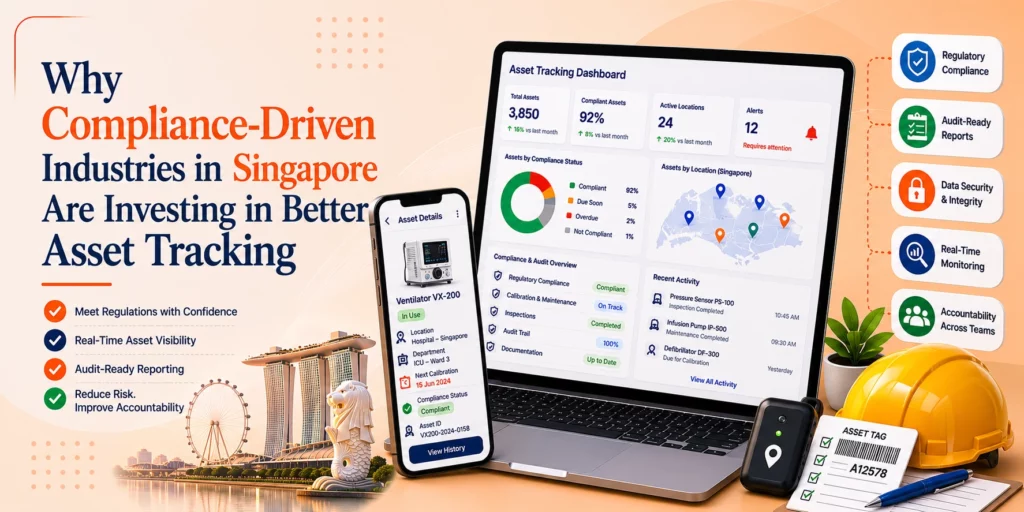
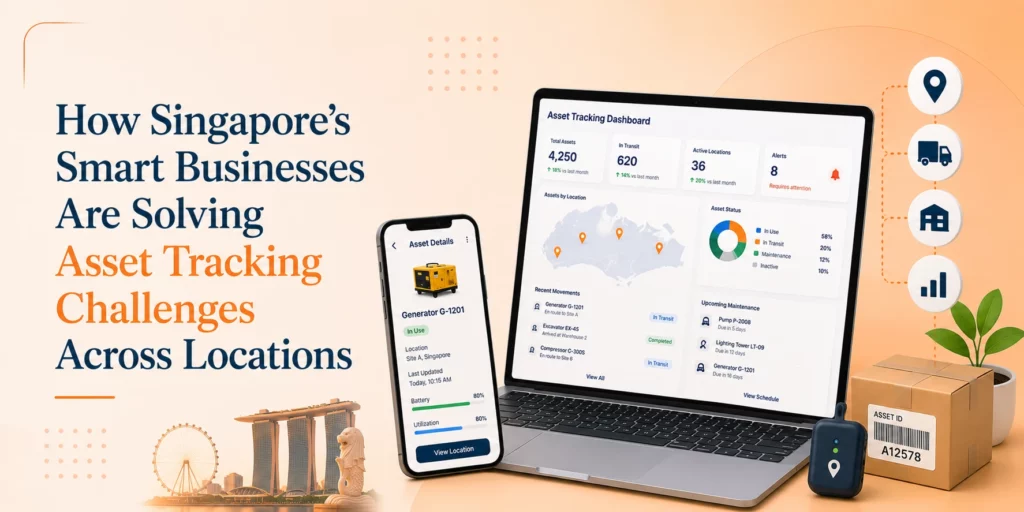
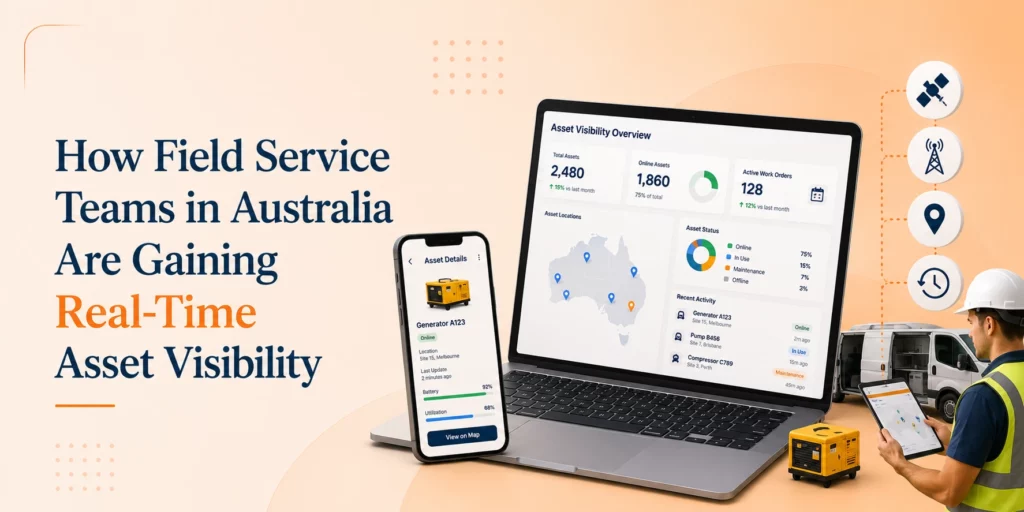





Genic Assets provide complete visibility, traceability, and accountability of your assets!
Get StartedAre you ready to switch from Excel and Spreadsheets to Cloud-based Asset Management Software? Get started with Genic Assets Management System!