Please don't fall for any job/grants/SaaS/Software related scams. For any query or concerns please reach to us directly at +65 6834 3026 or WhatsApp at +65-8910 8216
Please don't fall for any job/grants/SaaS/Software related scams. For any query or concerns please reach to us directly at +65 6834 3026 or WhatsApp at +65-8910 8216
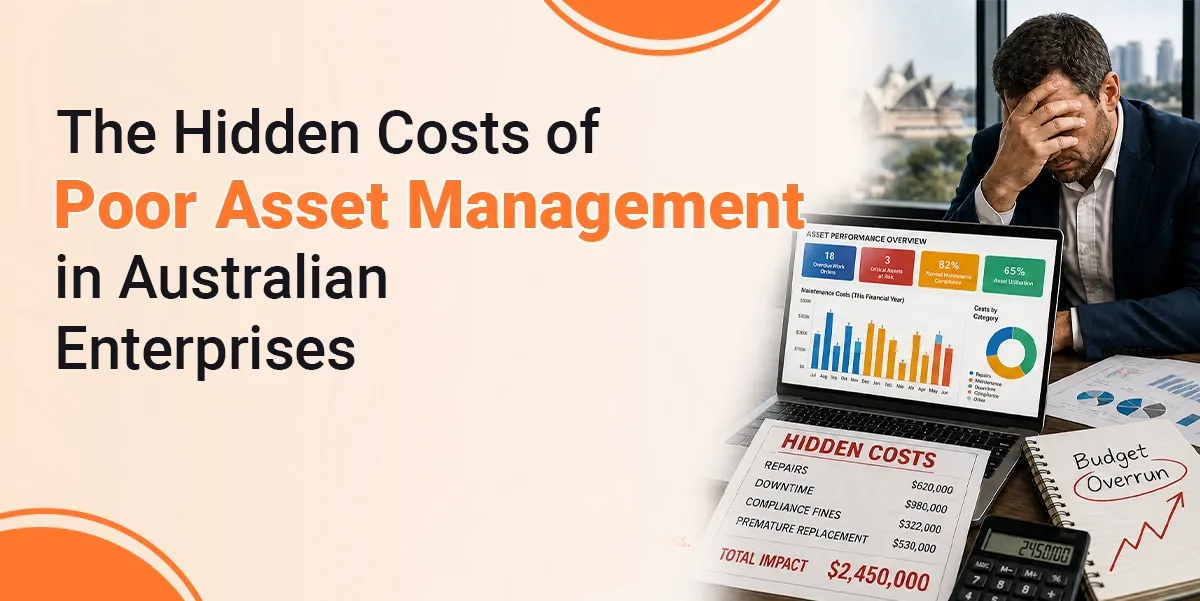
Poor asset management silently reduces profits by causing lost or underused assets, unexpected downtime, high maintenance costs, poor decision-making, compliance risks, wasted employee time, and shortened asset lifespan—ultimately impacting efficiency, safety, and long-term business growth. An effective asset management system in Australia helps businesses gain visibility and control to prevent these issues.
The truth is simple. Poor asset management does not just cause small inefficiencies. It creates a chain of hidden costs that affect operations, safety, and long-term growth.
In this blog, you will explore the cost of poor asset management, where these losses come from, and how businesses can avoid them with a better approach.
See how Genic Assets locates equipment in seconds and keeps maintenance on schedule — book a free demo.
Asset management refers to how a business tracks, uses, maintains, and replaces its assets. These assets may include:
For Australian enterprises, especially in sectors like mining, construction, logistics, and manufacturing, assets are the backbone of daily operations.
When managed well, assets deliver value over time. When managed poorly, they create waste.
This is where an asset management system in Australia becomes important. It provides structure, visibility, and control over assets across their full lifecycle.
The real cost lies in hidden inefficiencies that reduce profitability over time. These costs are not always visible but have a strong impact on performance. Let’s explore below in more depth:
Lost and underused assets are a quiet drain on business value. Many organisations do not have a clear view of where their equipment is or how often it is used. As a result, some assets sit idle while teams assume there is a shortage.
This often leads to duplicate purchases, which increases costs without adding real value. In large Australian enterprises with multiple sites, this problem grows fast. Equipment may be moved, shared, or misplaced without proper records.
Over time, this creates confusion and waste. The cost of poor asset management in Australia becomes clear when businesses invest in assets they already own. A structured approach, supported by an asset management system in Australia, helps track usage, improve allocation, and ensure every asset delivers value instead of sitting unused.
Downtime is one of the most visible yet underestimated costs. When equipment fails without warning, operations stop. This creates delays that affect production, delivery, and customer commitments. In industries such as mining, transport, and manufacturing, even short disruptions can lead to large financial losses.
The root cause is often reactive maintenance. Without proper tracking and planning, faults are only addressed after failure occurs. This leads to missed deadlines and strained operations. The hidden costs of asset tracking inefficiency become evident in these moments, where lost time directly impacts revenue.
A proactive approach, guided by Enterprise Asset Management in Australia practices, helps reduce unexpected failures. It ensures assets are maintained on time, which keeps operations stable and predictable.
Maintenance should protect asset value, but poor management often does the opposite. Some assets receive too much attention, while critical equipment is overlooked. Without clear records, teams may repeat tasks or miss key servicing schedules. This imbalance leads to higher repair costs and frequent breakdowns.
Over time, assets wear out faster than expected, which increases replacement expenses. Many Australian businesses face this issue because maintenance decisions are not based on accurate data. The result is rising operational costs with little performance improvement. A structured Enterprise Asset Management approach brings balance.
It helps track maintenance history, schedule tasks properly, and avoid unnecessary work. This not only reduces waste but also extends the life of assets and improves overall efficiency.
Good decisions rely on accurate information. When asset data is incomplete or outdated, managers are forced to rely on assumptions. This leads to poor planning and inefficient spending.
For example, a business may replace equipment too early, thinking it is no longer useful, or delay replacement until failure occurs. Both choices increase costs. Budget planning also becomes difficult without a clear understanding of asset performance and value. This is a key part of the cost of poor asset management, as it affects long-term financial health.
With better data and visibility, businesses can make informed decisions about repairs, upgrades, and investments. An effective asset management system ensures that decision-makers have the insights they need to act with confidence and reduce risk.
Australian businesses face their main challenge in the need to follow various compliance requirements. Businesses need to follow particular rules which demand them to keep precise records and verify that their equipment remains safe to operate. Poor asset management makes this difficult.
The failure to conduct inspections, together with incomplete documentation and outdated equipment, creates a higher chance of violating compliance requirements.
The situation becomes illegal because of this violation, which results in business suspensions, legal problems, and financial penalties. The system creates dangers that affect every employee who works at the company.
The presence of dangerous equipment creates safety hazards, which result in accidents that damage both human lives and business brand reputation. Organisations fail to identify these risks until they experience an actual crisis. The effects become extremely serious when the situation develops into this stage.
Enterprise Asset Management in Australia operates through its organised system to record all essential information and create planned maintenance inspection schedules. The system protects employees from harm because it meets all safety requirements, which also defends our business from legal problems.
Organisations fail to detect their time loss from poor asset management because their daily operations experience unplanned disruptions. Employees need to spend their work time trying to find equipment, tools, and records because asset information stays inaccessible. Manual processes create delays that block workflows from making progress.
The situation becomes worse because teams share information through different methods, which creates communication gaps between them. The system creates poor staff productivity because it generates higher employee dissatisfaction. The multiple short delays that occur during business operations create an aggregate effect that harms business performance. The solution lies in improving access to accurate information.
An asset management system in Australia allows teams to locate and manage assets quickly. The process eliminates wasted time, which enables workers to concentrate on their essential duties instead of spending their time searching for lost data.
Assets are long-term investments, but poor management can shorten their useful life. When maintenance is delayed or carried out incorrectly, equipment begins to wear out faster. Incorrect usage also contributes to damage, especially when there are no clear guidelines or tracking systems in place.
As a result, businesses are forced to replace assets earlier than planned. This increases capital expenditure and puts pressure on budgets. The hidden costs of asset tracking inefficiency are clear in these situations, where assets fail before delivering their full value. A proactive approach helps prevent this.
By following Enterprise Asset Management practices, businesses can monitor asset condition, plan maintenance, and ensure proper usage. This extends asset lifespan and improves return on investment.
These costs are hidden because they appear as small inefficiencies rather than clear expenses. Many of these costs are not obvious. They do not appear as a single line item in financial reports.
Instead, they show up as:
Over time, these small issues add up to large losses.
This is why many Australian enterprises underestimate the cost of poor asset management.
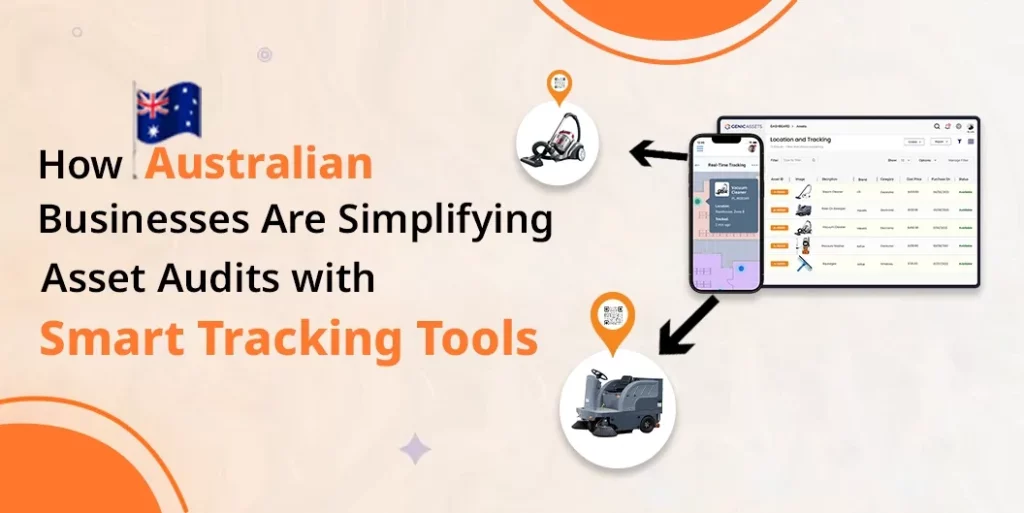
Also Read: How Australian Businesses Are Simplifying Asset Audits with Smart Tracking Tools
At the core of most problems is one issue: lack of visibility. Businesses often do not have a clear view of:
Without visibility, control is not possible.
This is where Enterprise Asset Management practices come into play. They focus on creating a clear and accurate picture of all assets.
Improving asset management does not require complex changes. It begins with a structured approach where businesses bring clarity and control to how assets are handled across their lifecycle.
A strong starting point is storing all asset information in one place. This includes details such as location, condition, and maintenance history. Teams can access all data from a central location, which eliminates their need to handle multiple documents or make random decisions.
The system enables better asset monitoring, which leads to fewer mistakes and consistent operational standards. The basic action helps workers achieve better accuracy while eliminating all operational confusion from their daily work.
Preventive maintenance focuses on planning instead of reacting. Businesses can prevent unexpected breakdowns through asset maintenance when they establish correct maintenance schedules.
The process leads to decreased breakdown incidents, which results in lower maintenance expenses and extended operational life for assets.
The system provides Australia with its main Enterprise Asset Management Benefits because it maintains operational stability and reduces unexpected financial expenditures.
Real-time tracking gives businesses full visibility of their assets. Knowing where assets are at all times improves utilisation and control.
It helps reduce loss, avoid duplicate purchases, and improve planning. This directly addresses the hidden costs of asset tracking inefficiency in Australia, which often arise from poor visibility.
Managers need precise data to make their decisions based on reliable information. Businesses achieve better budget planning through clear insights, which help them optimise their asset operations and develop smarter investment strategies. This reduces risk and supports long-term performance, rather than relying on assumptions.
The system operates with a well-organised structure, which helps organisations follow established guidelines.
The system operates to schedule inspections while it creates complete records, which verify that all standards have been fulfilled.
The system decreases legal threats while it creates a safer work environment, which Australian businesses need because they operate under stringent regulatory requirements.
When done right, asset management delivers clear benefits.
Some of the most important Enterprise Asset Management Benefits in Australia include:
These benefits go beyond cost savings. They support growth and stability.
If you are looking for an effective asset management solution for better management, try Genic Assets Management Software Solutions!
Overall, Poor asset management is not just an operational issue. It is a business risk. The price of poor asset management in Australia goes far beyond repairs and replacements. It affects productivity, safety, and decision-making.
The good news is that these hidden costs can be reduced. With better visibility, structured processes, and a focus on lifecycle management, businesses can unlock real value from their assets.
A strong Enterprise Asset Management in Australia approach helps organisations move from reactive to proactive management. In the end, success is not about having more assets. It is about using existing assets in the best possible way.
Articles you might like


Genic Assets provide complete visibility, traceability, and accountability of your assets!
Get StartedAre you ready to switch from Excel and Spreadsheets to Cloud-based Asset Management Software? Get started with Genic Assets Management System!