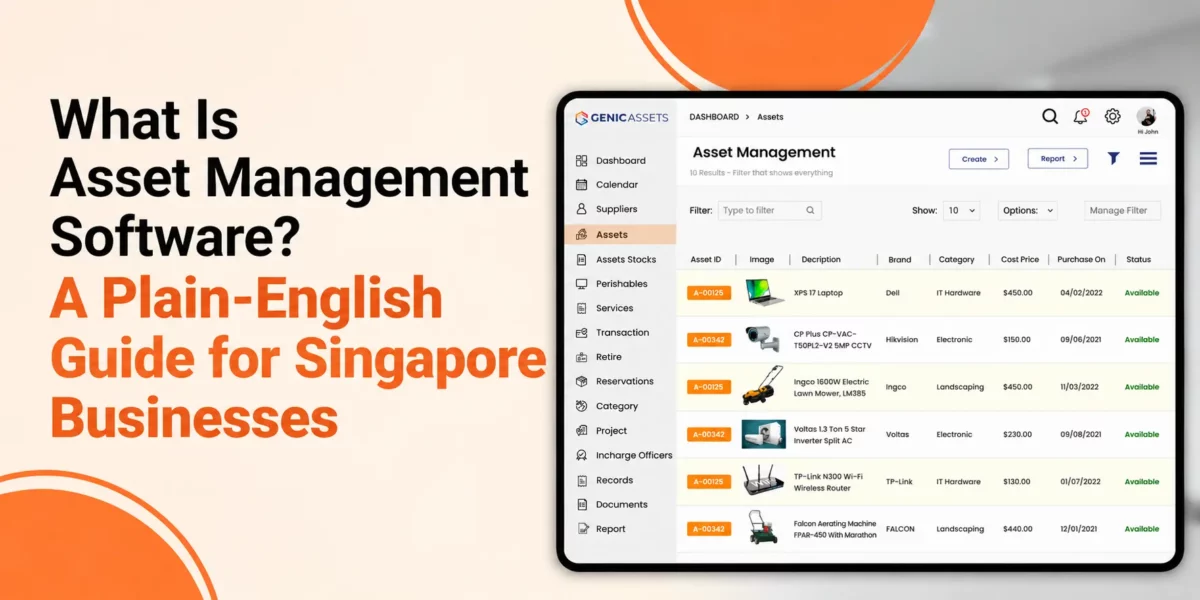
What Is Asset Management Software? A Plain-English Guide for Singapore Businesses
Every business owns things that keep daily work moving. These may include laptops, phones, office furniture, tools, machines, vehicles, and other equipment.
Please don't fall for any job/grants/SaaS/Software related scams. For any query or concerns please reach to us directly at +65 6834 3026 or WhatsApp at +65-8910 8216
Every business owns things that keep daily work moving. These may include laptops, phones, office furniture, tools, machines, vehicles, and other equipment.
Singapore businesses run on speed, space and control. Offices, warehouses, retail sites, clinics, schools and service teams all depend on assets to keep work moving. These assets may include laptops, tablets, access cards, tools, machines, furniture, safety kits, cleaning equipment, spare parts and vehicles.
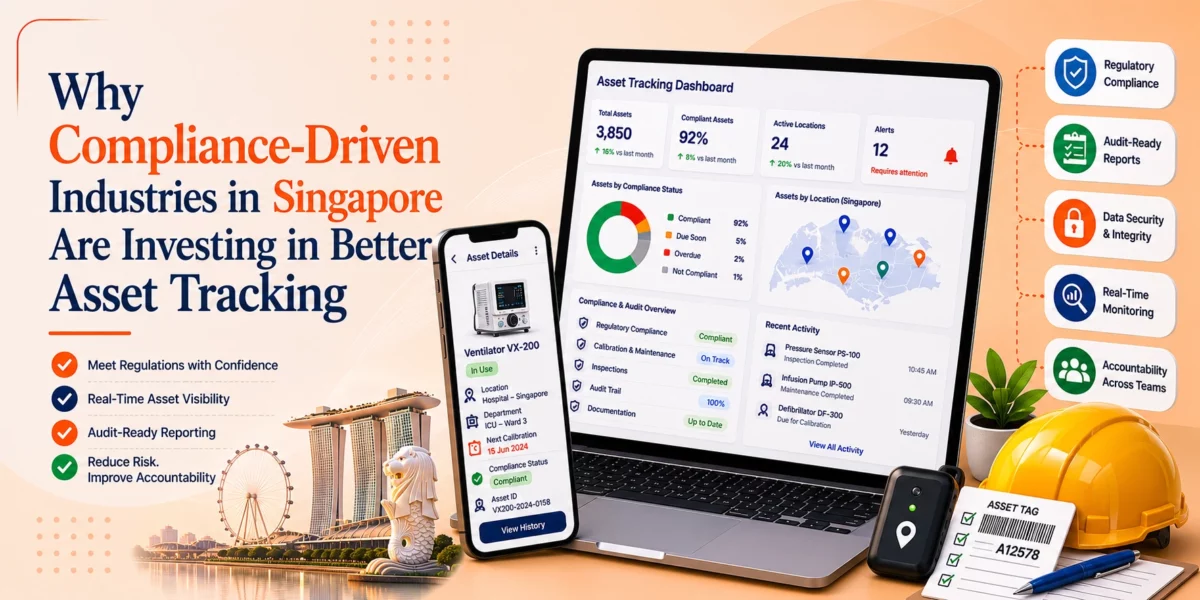
Compliance-driven industries in Singapore are investing in better asset tracking to improve regulatory compliance, maintain accurate asset records, support audits, reduce operational risks, and strengthen accountability across their organisations.
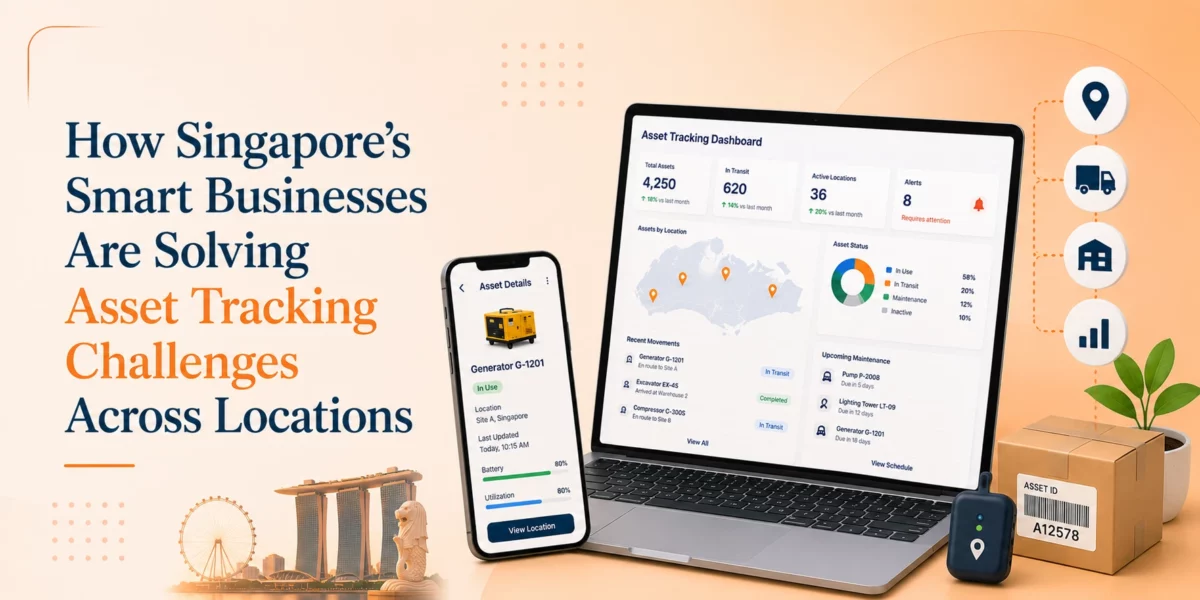
Singapore businesses overcome asset tracking challenges across multiple locations by using an asset tracking system in Singapore, maintaining accurate records, monitoring asset movement, and following structured asset management processes.
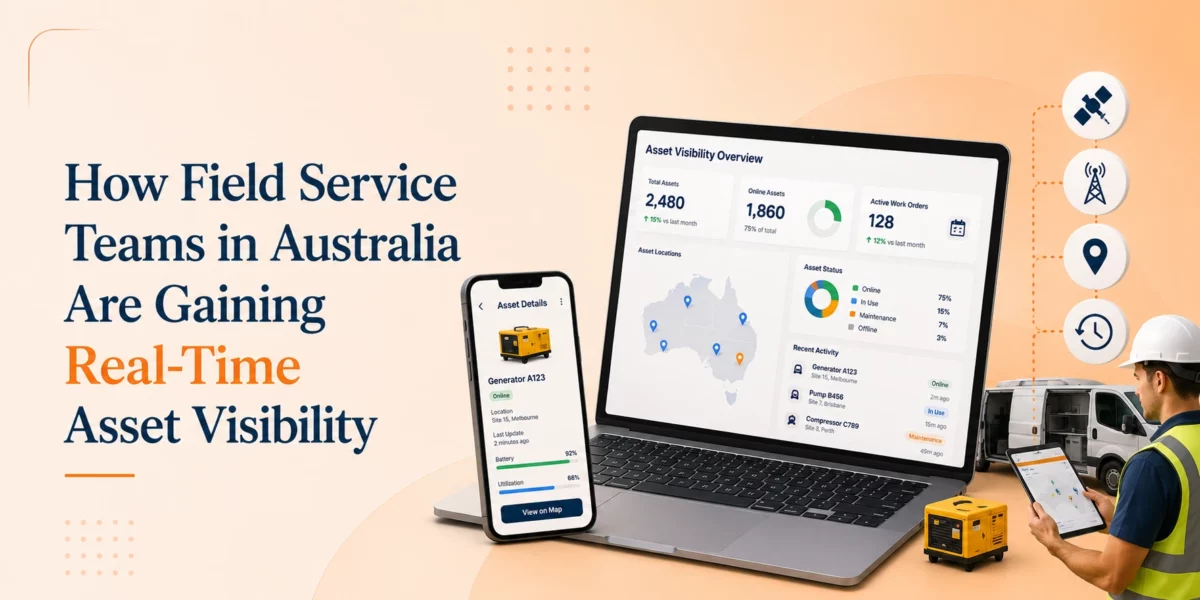
Field service teams in Australia are gaining real-time asset visibility through mobile tracking systems, live data access, and connected field operations that help businesses monitor equipment, vehicles, and tools across multiple locations.
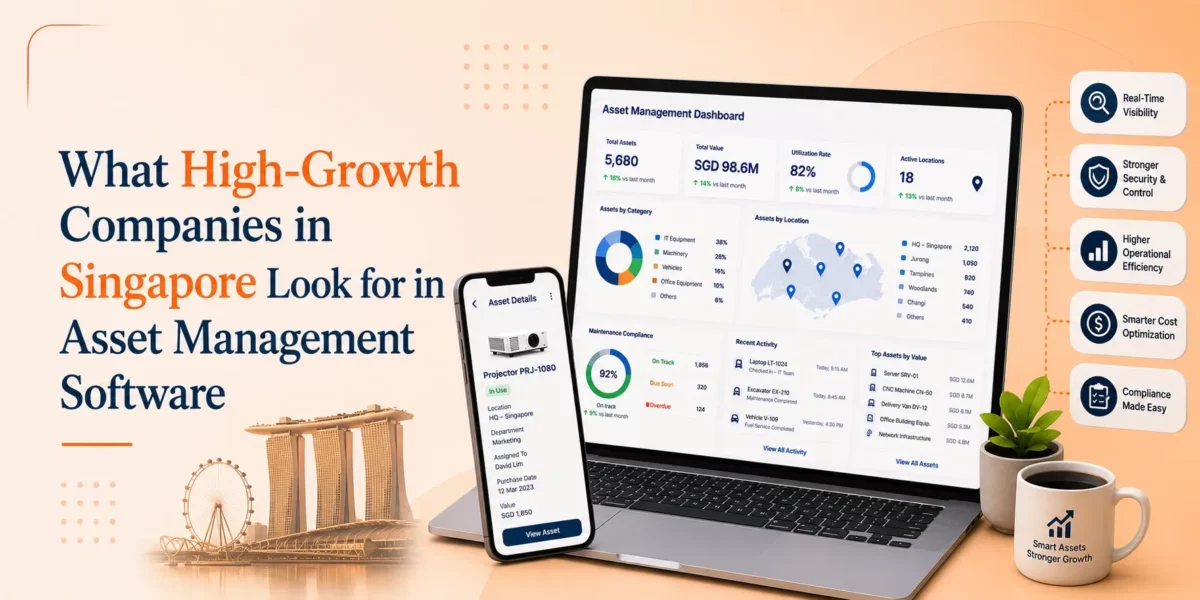
Fast-growing companies in Singapore look for asset management systems that support scalability, automation, real-time visibility, integration, and operational control.
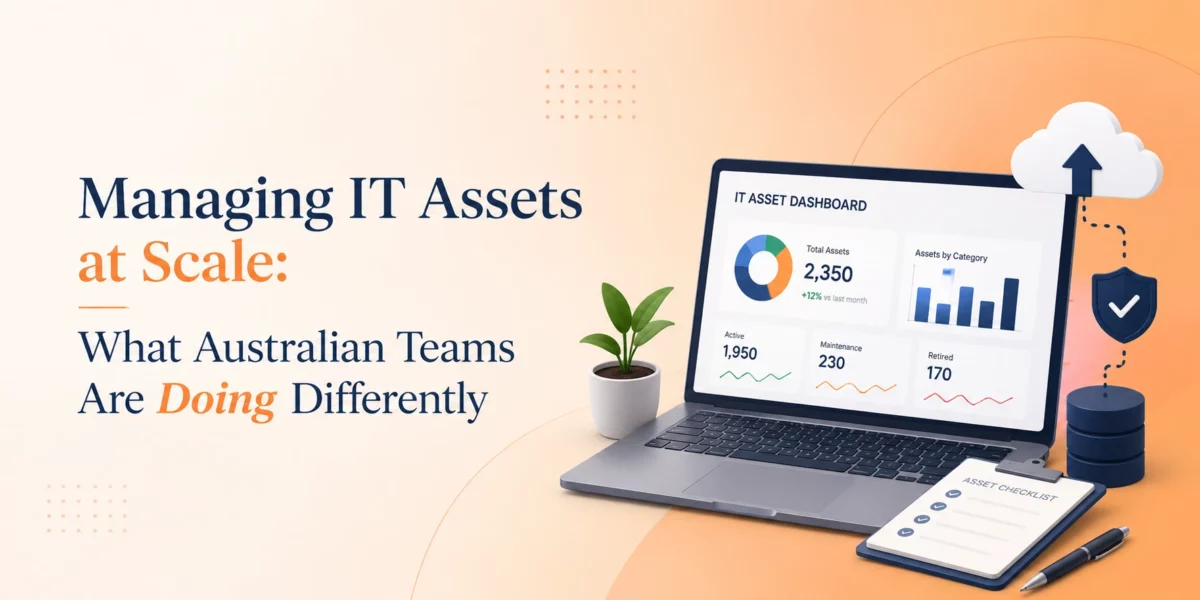
Australian businesses manage IT assets at scale by using centralised systems, automated tracking, lifecycle management, and stronger collaboration between IT and finance teams.
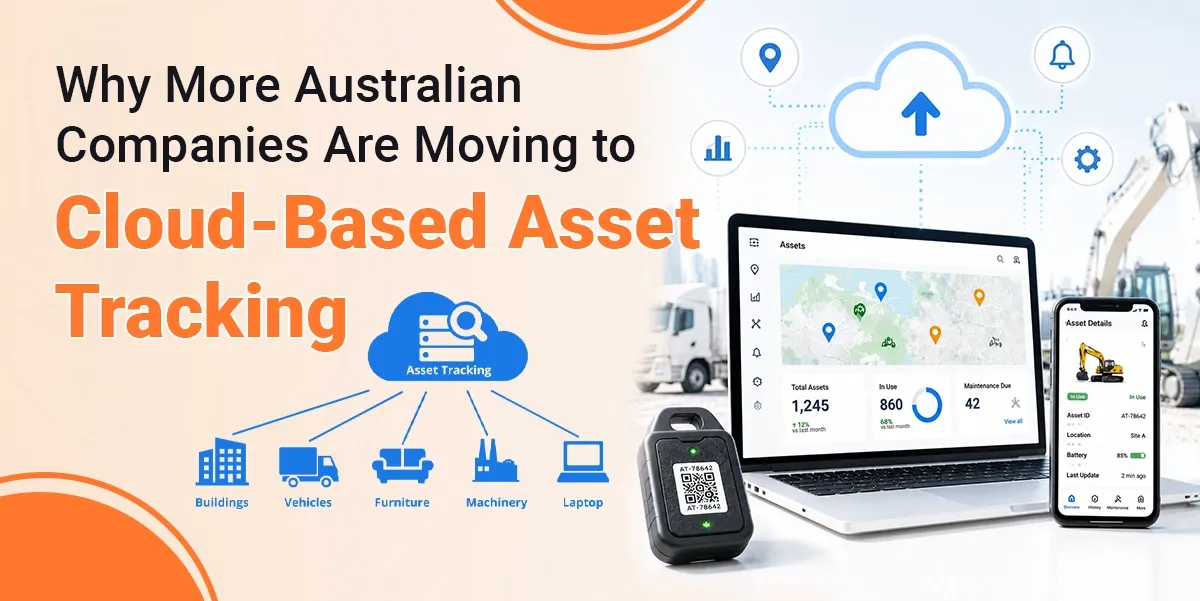
Australian companies are moving to cloud-based asset tracking to improve visibility, reduce costs, and manage assets more efficiently in flexible work environments.
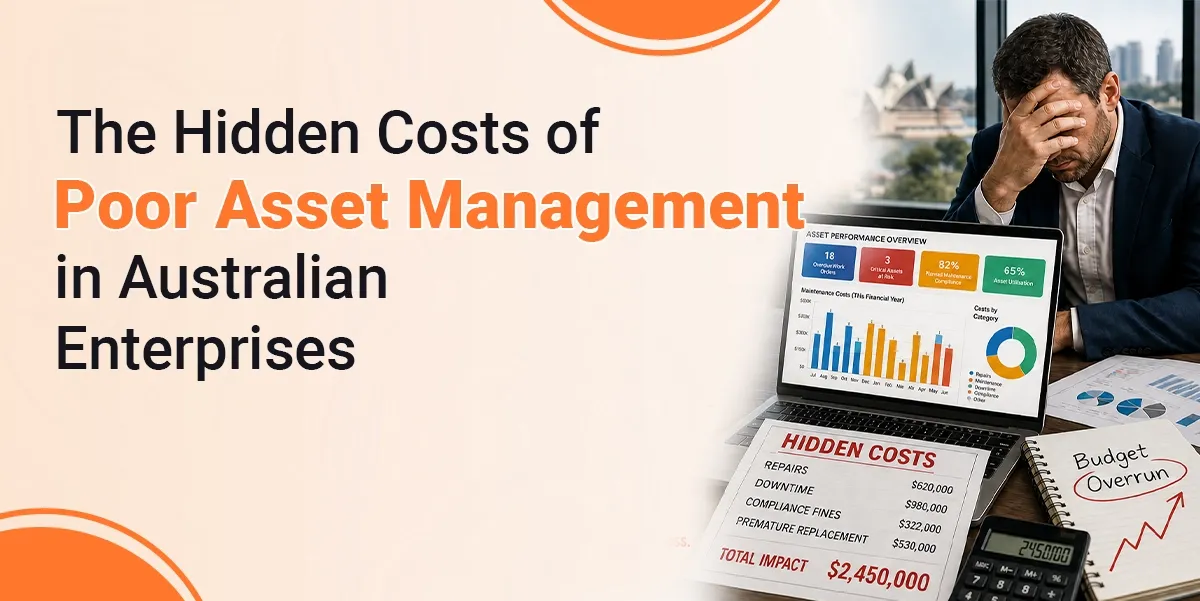
Poor asset management silently reduces profits by causing lost or underused assets, unexpected downtime, high maintenance costs, poor decision-making, compliance risks, wasted employee time, and shortened asset lifespan—ultimately impacting efficiency, safety, and long-term business growth.
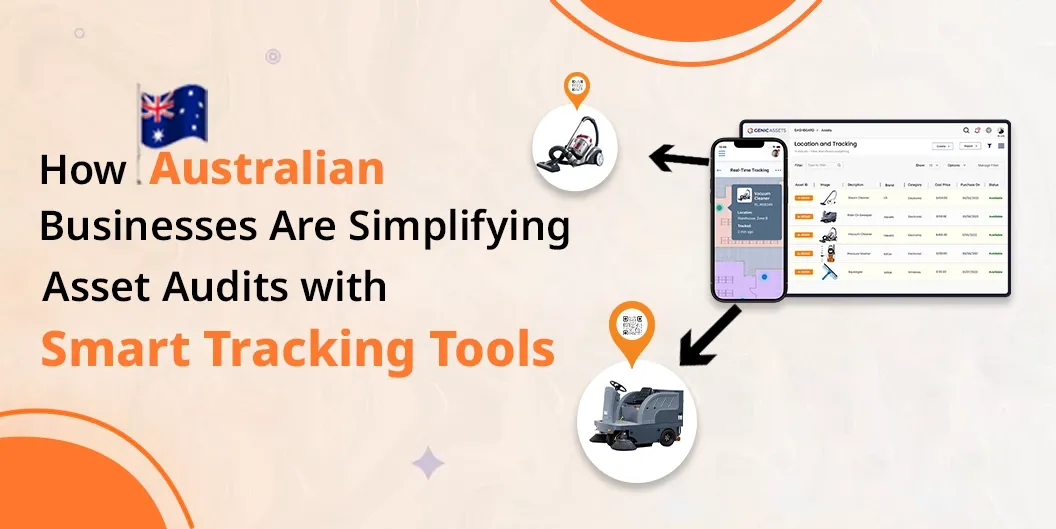
Australian businesses are simplifying asset audits by using asset audit software in Australia along with smart tracking tools that provide real-time visibility, automated workflows, and centralised data management.