Please don't fall for any job/grants/SaaS/Software related scams. For any query or concerns please reach to us directly at +65 6834 3026 or WhatsApp at +65-8910 8216
Please don't fall for any job/grants/SaaS/Software related scams. For any query or concerns please reach to us directly at +65 6834 3026 or WhatsApp at +65-8910 8216
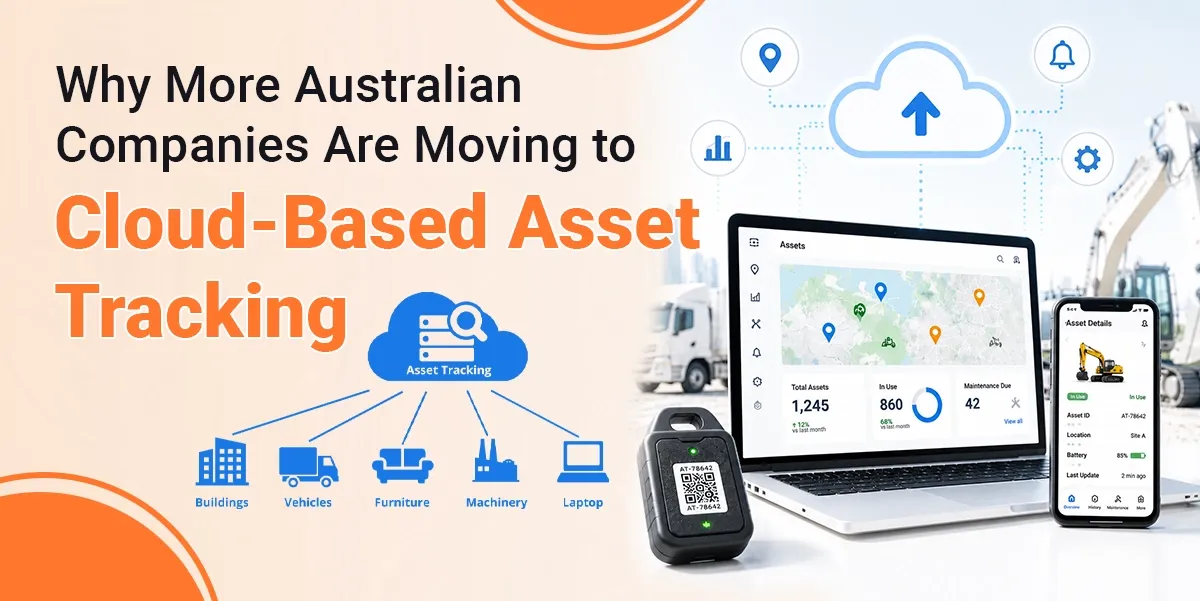
Australian companies are moving to cloud-based asset tracking to improve visibility, reduce costs, and manage assets more efficiently in flexible work environments.
Australian businesses are changing how they manage assets. From tools and equipment to IT hardware and vehicles, asset tracking now plays a central role in daily operations. Many companies are moving away from manual logs and old systems. They now prefer cloud asset management in Australia for better control and visibility.
This shift is not just about technology. It is about speed, cost control, and staying competitive. In this blog, we will look at why this change is happening and what it means for businesses across Australia.
See how Genic Assets locates equipment in seconds and keeps maintenance on schedule — book a free demo.
Cloud-based asset tracking is a system that stores and manages asset data online, allowing access from any device with internet connectivity. This approach supports digital asset tracking in Australia, where businesses can:
It replaces spreadsheets, paper logs, and outdated software.
The traditional asset management system in Australia no longer works because it limits access, increases costs, and cannot support modern business operations.
Many companies once relied on on-premises systems to manage assets. These systems worked well when teams stayed in one place and operations were simple. Today, work is more flexible, and businesses need faster access to information. Old methods struggle to keep up with these changes.
The physical location of on-premises systems prevents users from accessing them from any place besides their designated area. The field teams face challenges because they cannot access live asset information, which results in delayed work completion and disrupted team communication.
The systems require continuous maintenance work to keep them operational. Organisations need to operate servers while they must perform system updates, which leads to higher operational expenses throughout their existence.
The process of manual updates creates both time delays and multiple errors during execution. The system faces an increased threat of data loss because hardware breakdowns and human errors become more likely.
The management and expansion of these systems become more difficult for businesses when they start to grow.
These issues highlight the need for modern solutions in cloud vs. on-premises asset management in Australia.
The rise is driven by remote work, mobile teams, real-time data needs, and a focus on cost efficiency.
The demand for cloud-based asset management systems has grown fast in recent years. Businesses are moving towards systems that are simple, secure, and easy to scale. This shift reflects a clear change in how companies manage operations and assets.
Work is no longer limited to offices. Teams now operate from multiple locations. Cloud systems support this change by offering easy access to asset data at any time.
Many businesses rely on field staff and mobile units. Cloud solutions help track assets across sites, which improves coordination and control.
Businesses want instant updates on asset location and usage. Cloud systems provide real-time data, which helps teams make quick and informed decisions.
Companies are reducing spending on hardware and maintenance. Cloud solutions lower upfront costs and simplify management.
Across industries, businesses now view cloud systems as a smart and practical choice rather than a plan.
The key benefits include real-time visibility, cost control, accessibility, accuracy, and scalability.
One of the biggest advantages is real-time tracking. Businesses can see where assets are at any moment.
This improves efficiency in asset tracking. Teams no longer waste time searching for equipment or checking records.
Cloud systems reduce the need for physical servers and IT support. This lowers setup and maintenance costs.
Many companies also reduce losses from missing or unused assets. This is one of the clear benefits of SaaS asset tracking software in Australia.
Employees can access asset data from any location. This helps teams in the field, warehouses, and offices stay connected.
This flexibility supports modern work models and improves productivity.
The process of manual data entry creates multiple opportunities for human errors to occur. The system handles automated updates, which decrease the chance of human entry errors during maintenance operations.
Businesses gain better decision-making and future planning abilities through their access to precise data.
Organisations need to establish larger asset bases when they expand their business operations. Cloud systems can scale without major upgrades.
This makes a cloud asset management system for businesses in Australia a practical choice for both small and large firms.
SaaS models are popular because they are cost-effective, easy to deploy, and simple to manage.
Many businesses now prefer SaaS asset management software in Australia. SaaS stands for Software as a Service, where users access systems through a subscription instead of installing them on local machines. This model fits well with modern business needs.
Businesses do not need to invest in servers or hardware. This reduces initial spending and lowers financial risk.
SaaS systems are easy to deploy. Companies can start using them without long setup times or complex installation.
Updates happen automatically. Businesses always use the latest version without manual effort or downtime.
These systems connect well with other business tools. This improves workflow and supports better data sharing.
Overall, SaaS asset tracking solutions are simple to use, cost-effective, and easy to maintain, which makes them a strong choice for growing businesses.
Cloud systems offer lower costs, remote access, and scalability, while on-premises systems are costly and less flexible.
| Feature | On-Premises Systems | Cloud-Based Systems |
|---|---|---|
| Setup Cost | High setup cost due to hardware and infrastructure | Lower initial cost with no heavy infrastructure |
| Access | Limited access, mostly within office networks | Remote access from any location |
| Maintenance | Requires ongoing IT maintenance and support | Minimal maintenance with provider-managed systems |
| Updates | Slower upgrades, often manual | Automatic updates with no downtime |
| Scalability | Difficult and costly to scale | Easy scaling as business grows |
This comparison highlights why businesses are choosing cloud solutions. The flexibility, lower cost, and ease of use make them a practical option for modern operations.
Industries adopt cloud tracking to improve asset control, reduce loss, and increase efficiency.
Construction companies operate their equipment, vehicles, and tools across multiple construction sites. The tracking system operates through cloud-based technology, which tracks all user activities while protecting against item disappearance.
Medical equipment tracking systems need to function in hospitals and clinics. Cloud tracking enables users to track their items until they reach their intended destination.
Businesses maintain records about their vehicles, together with their shipment deliveries and equipment inventory. The availability of real-time data throughout operations helps organisations create better plans and complete their deliveries.
Businesses track laptops, devices, and software licences. The system allows businesses to improve their asset management operations while they follow all required regulatory standards.
It provides real-time data that helps businesses make faster and better decisions.
Good data leads to better decisions. With cloud asset management in Australia, businesses gain clear and accurate insights into how assets are used and maintained. This helps teams act faster and plan with confidence.
Cloud systems show which assets are not used often. Businesses can reassign or remove these assets to avoid waste and reduce costs.
Accurate data helps schedule maintenance at the right time. This prevents sudden breakdowns and keeps operations running smoothly.
Real-time tracking allows teams to respond quickly when issues arise. This reduces delays and keeps productivity steady.
Better visibility helps businesses manage spending. Companies can track usage, avoid unnecessary purchases, and improve overall efficiency.
This level of insight supports smarter decisions and improves long-term planning, which was difficult to achieve with older systems.
Cloud systems use strong security measures to protect data and ensure compliance.
Security is a key concern for businesses. Modern cloud systems use strong measures to protect data.
These features make the asset tracking system reliable for sensitive data.
Businesses must plan for internet dependency, data migration, training, and change management. While cloud systems offer many benefits, businesses should also plan for challenges.
With proper planning, these issues can be managed.
Businesses should assess assets, define needs, migrate data, train staff, and monitor performance.
List all assets and understand current tracking methods.
Identify what the business needs from a new system. This may include tracking, reporting, or integration.
Move existing data carefully to avoid loss or errors.
Ensure staff understand how to use the system.
Review system performance and make changes as needed.
Businesses encounter various obstacles when they decide to postpone their cloud system adoption because these challenges become more severe. The standard approaches result in increased business expenses because they need ongoing maintenance and produce operational inefficiencies.
The limited ability to track assets leads to their disappearance, while organisations fail to use their assets effectively.
The process leads to reduced productivity, which simultaneously creates obstacles for managers who need to make decisions. Businesses face rising difficulties to stay competitive because their opponents operate with state-of-the-art systems.
Businesses throughout Australia can use an asset management system to achieve better asset control while decreasing waste operations and speeding up their ability to handle market changes.
The system enables businesses to develop their operations through improved planning methods, which maintain their operational requirements based on present market conditions.
If you are looking for an effective asset management solution for better management, try Genic Assets Management Software Solutions!
Overall, the move to cloud-based asset tracking is not a trend. It is a practical response to modern business needs.
With better access, lower costs, and improved control, cloud asset management in Australia offers clear value. Businesses that adopt this approach can manage assets with greater confidence and accuracy.
At the same time, SaaS asset management software in Australia continues to grow in demand. It provides a simple and flexible way to handle asset tracking without a heavy investment.
As companies look to improve operations and reduce waste, cloud-based systems will play a key role. The benefits are clear, and the shift is already well underway.
Articles you might like

Genic Assets provide complete visibility, traceability, and accountability of your assets!
Get StartedAre you ready to switch from Excel and Spreadsheets to Cloud-based Asset Management Software? Get started with Genic Assets Management System!